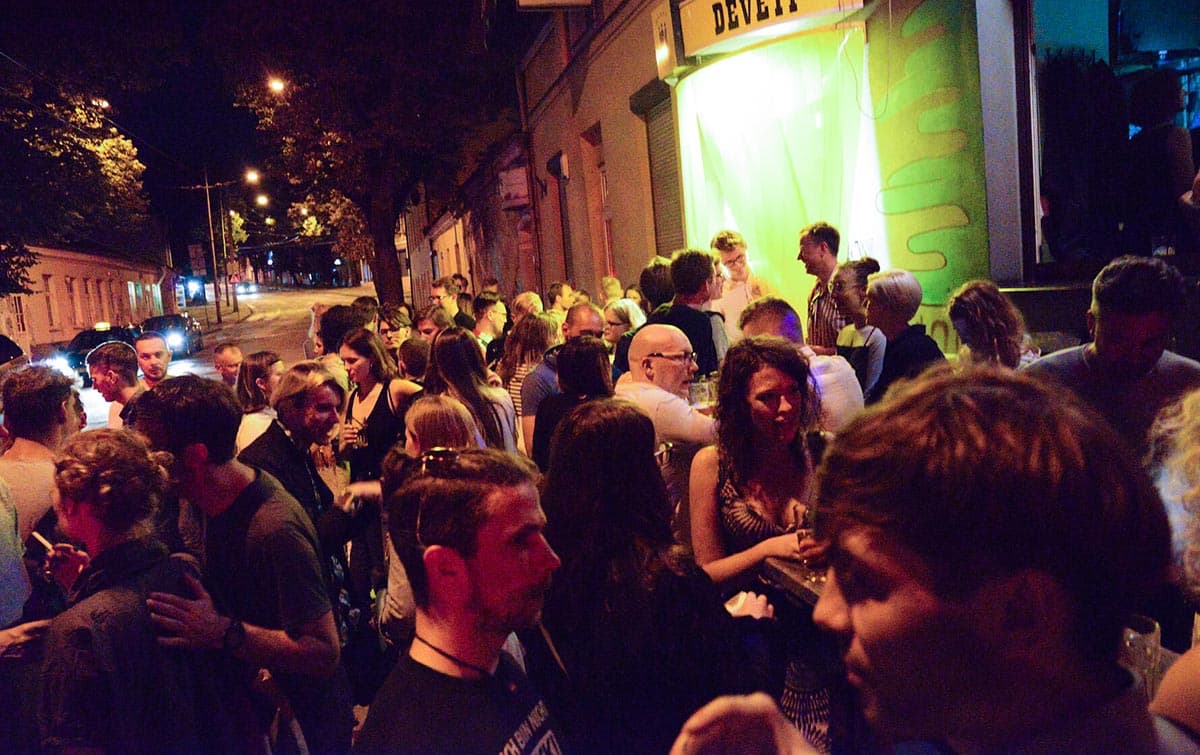
Vilnius. The capital of Lithuania. A city that often slips under tourist radars, overshadowed by Prague, Budapest, or Krakow. And you know what? That's its greatest advantage. I went there myself with a handful of stereotypes and a vague idea of baroque churches. I returned enchanted, with a notebook full of "I wish I had known this earlier" notes. This city is like a hidden gem: compact yet full of depth, historical yet vibrant with modern energy. It possesses a tranquility hard to find in crowded metropolises, yet it can surprise you at every turn.
This isn't just another dry guide. It's a collection of 20 specific, practical tips I wish I had received before my first trip. It's the essence of my experiences, missteps, and discoveries. If you're planning your first journey to Vilnius, this text will save you time and money, and help you see the city through the eyes of someone who has already paved the way. Prepare to fall in love with Vilnius, just as I did.
Before You Arrive
Good preparation is key. These four points will ensure your landing in Vilnius is smooth and stress-free.
1. SIM Card and Internet: Forget about searching for kiosks at the airport. The most convenient option is an eSIM. Apps like Airalo or Holafly allow you to purchase and install a data package even before your flight. You activate it upon landing and immediately have internet access. This is incredibly convenient, especially when you want to order a Bolt or check the route to your hotel. However, if you prefer a traditional solution, you'll find starter packs from local networks like Pildyk or Ežys in any major supermarket (e.g., Maxima, Rimi) or kiosk (Lietuvos spauda). They are inexpensive and offer generous data packages.
2. Currency: Euro and Payments: Lithuania is in the Eurozone, which greatly simplifies things. Card payments are the absolute standard. From trendy cafes to museums and small souvenir shops, you can pay everywhere by card (including contactless with your phone). Nevertheless, it's always worth carrying some cash. 20-30 euros in your wallet will be useful at Halės Market, in small bakeries, for tips, or in case of a terminal malfunction. Avoid exchange offices at the airport and on main tourist streets, they have the worst rates. If you need to exchange money, look for an exchange office in a bank.
3. From the Airport to the City Center: Vilnius Airport (VNO) is conveniently close to the city center. You have three main transportation options:
- Bolt/Uber: The most convenient option. A trip to the Old Town takes about 15-20 minutes and usually costs 8-12 euros. This is incredibly cheap compared to other European capitals. The app will show you the exact passenger pick-up location.
- Bus: The cheapest option. Bus line 88 (and night bus 88N) goes directly from the airport to the city center, stopping at key points. You can buy a ticket in the Trafi app, at a kiosk at the airport, or from the driver (remember to have cash!). The journey takes about 25-30 minutes.
- Train: The fastest, but not always the most convenient option. A special train connects the airport with the main railway station in just 7 minutes. However, the airport station is a few minutes' walk from the terminal, and the railway station itself is located on the edge of the Old Town. If your hotel is in this area, great. Otherwise, Bolt will be a better choice.
4. Best Time of Year to Visit: It depends on what you're looking for. Late spring and summer (May-August) are ideal. Days are long (the sun sets after 10:00 PM), the weather is pleasant, and the city buzzes with life in outdoor cafes. This is the best time for walks and discovering Vilnius's green corners. Early autumn (September-October) can be magical, with golden leaves in the parks and fewer tourists, but the weather is more unpredictable. Winter (November-February) is cold, often with snow, but it has its own charm. Vilnius's Christmas market is beautiful and less commercial than in many other cities. Just dress in layers!
Getting Around Vilnius
Vilnius is a city made for walking, but sometimes it's worth using wheels. Here's how to do it most effectively.
5. On Foot: The Best Way to Explore the Old Town: Vilnius's Old Town, a UNESCO World Heritage site, is a labyrinth of cobblestone streets, hidden courtyards, and charming alleys. Cars have limited access here, and distances are short. Walking is not just a way to get around, but the best method for sightseeing. Only this way will you discover small galleries, independent shops, and feel the true atmosphere of this place. Wear comfortable shoes, the cobblestones can be tough on your feet!
6. Bolt: Your Best Friend for Longer Distances: As I mentioned, Bolt (and to a lesser extent, Uber) is incredibly cheap and popular in Vilnius. The waiting time for a car is usually 2-4 minutes. This is an ideal solution when you want to reach further attractions, like the TV Tower, or simply return tired to your hotel after a full day of sightseeing. A ride within the city limits rarely costs more than 5-7 euros.
7. Electric Scooters: Fun with Caution: The city is full of electric scooters (mainly Bolt and Citybee). They are a great and fun way to get around quickly, especially along the Vilnia River. However, remember two things. Firstly, riding on cobblestones in the Old Town is a bumpy ride, it's neither pleasant nor safe. Secondly, always ride with respect for pedestrians and park your scooter in designated areas so as not to block the sidewalk.
8. Public Transport: The Trafi App is Key: Vilnius's bus and trolleybus system is well-developed and reaches everywhere you can't walk. However, don't try to decipher the schedules at the stops. Download the Trafi app. It's an absolute must-have. You'll find a journey planner, live schedules, and most importantly, you can buy tickets. You can purchase a 30-minute, 60-minute, or period ticket. Remember to validate (activate) your ticket in the app immediately upon entering the vehicle.
Food and Cafes: What You Need to Know
Lithuanian cuisine is much more than just cepelinai! Vilnius is a foodie's paradise if you know where to look.
9. Look for "Dienos Pietūs" for Lunch: On weekdays, usually between 11:00 AM and 3:00 PM, many restaurants (even higher-end ones) offer lunch sets called "dienos pietūs." This typically includes a soup and a main course at a very attractive price (often 7-10 euros). It's the best way to enjoy a delicious and affordable meal in the middle of the day. Look out for signs and sandwich boards in front of restaurants.
10. Halės Market: A Must-Visit on Saturday Morning: If you want to feel the true rhythm of the city, head to Halės Market (Halės Turgus) on a Saturday morning. It's the oldest market in Vilnius, housed in a beautiful, historic hall. You'll find everything here: fresh vegetables, local cheeses (definitely try cottage cheese with honey!), smoked fish, homemade bread, and amazing cured meats. But that's not all! Inside, there's also a food court with bars serving oysters, ramen, and local craft beer. It's a place where locals meet, shop, have breakfast, and chat. An absolutely authentic experience.
11. Realistic Prices and Tourist Traps: Vilnius is generally affordable. Coffee in a good cafe costs 2.5-3.5 euros, a local beer in a bar 4-5 euros, and a solid dinner in a city center restaurant will cost 15-25 euros per person. The main tourist trap is Pilies Street. You'll find many restaurants there with large, laminated menus featuring photos of dishes. Avoid them.