Step into Vilnius, and you step into a living museum. As the capital of Lithuania, this city boasts a UNESCO World Heritage-listed Old Town, a place whose rich cultural history is etched into every cobblestone, Gothic spire, and Baroque facade. Exploring the capital's incredible heritage sites is not just a walk through the past; it's an immersive journey into the heart of a nation's story, where centuries of art, faith, resilience, and intellect converge. From grand ducal palaces to bohemian artist enclaves, Vilnius offers a tapestry of experiences for anyone fascinated by history and culture.
This guide will lead you through the must-see locations that define Vilnius's historical and architectural identity. We'll climb the city's most iconic hill for breathtaking views, wander through one of Europe's oldest universities, marvel at a church Napoleon wanted to take home, and cross a bridge into a self-declared republic of artists. Prepare to discover the places where the story of Vilnius was, and still is, being written.
The Foundation of a Nation: Cathedral Square and Gediminas' Tower
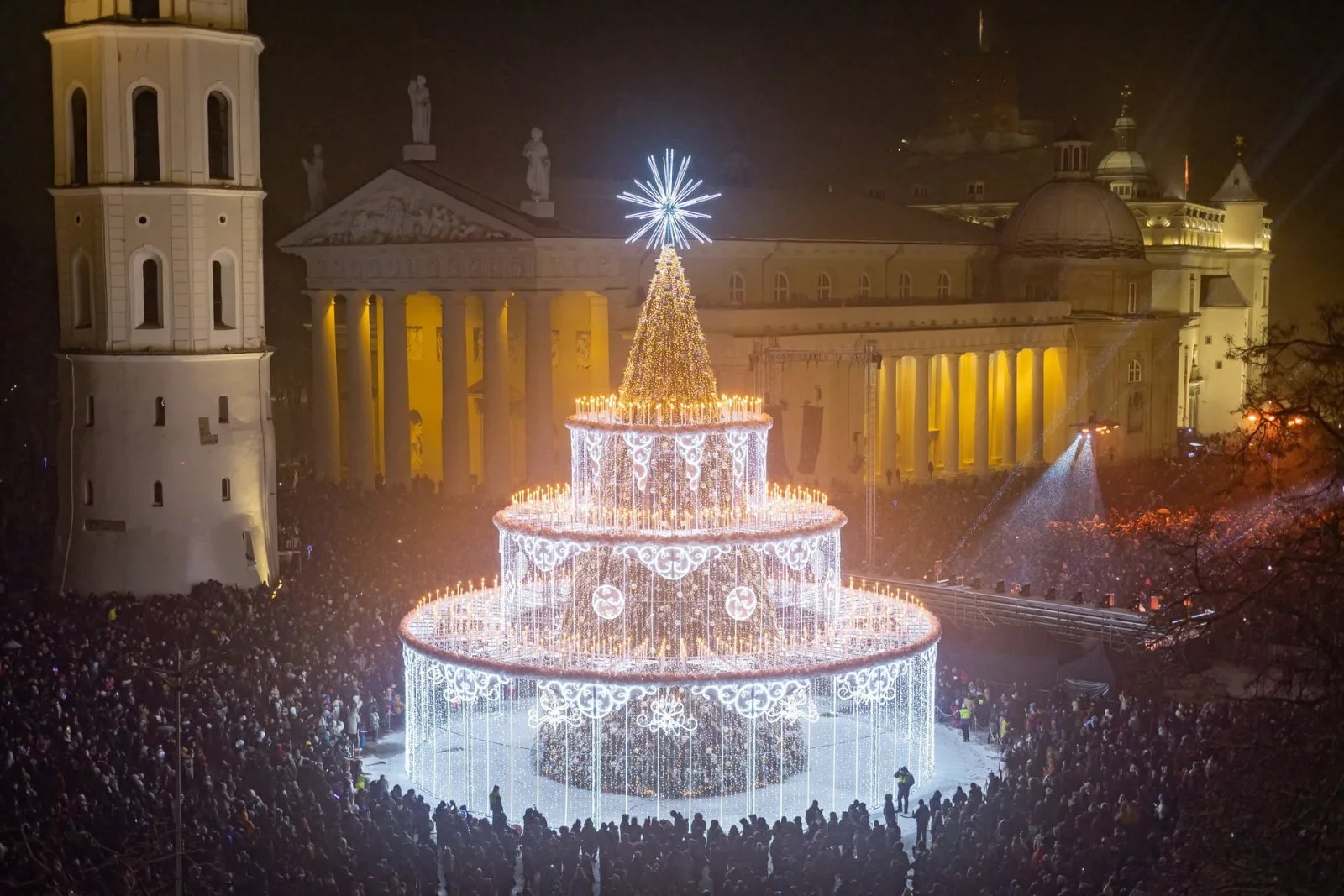
Your exploration of Vilnius’s cultural history should begin where the city itself was born: Cathedral Square. This expansive, open square is the city's ceremonial heart, dominated by two key landmarks. The first is the striking neoclassical Vilnius Cathedral, with its free-standing Bell Tower. Its bright white facade stands in stark contrast to the colourful buildings of the Old Town, a testament to its many reconstructions over the centuries. What you see today stands on the site of a former pagan temple, symbolising Lithuania's transition to Christianity. Don't miss the Chapel of St. Casimir inside, a stunning example of Baroque art.
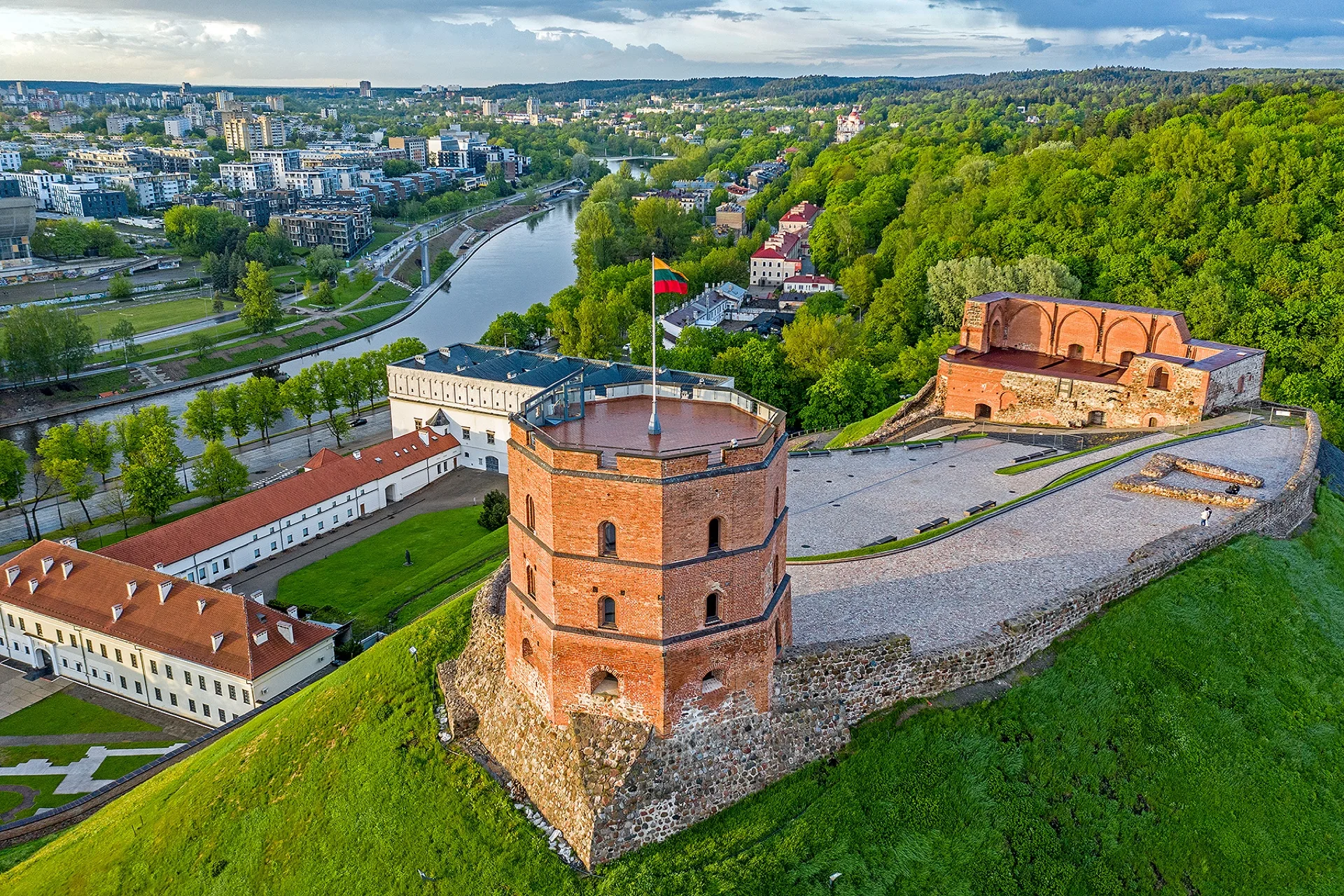
Looming above the square is Gediminas' Tower, the last remaining part of the Upper Castle and an enduring symbol of the city and the nation. According to legend, Grand Duke Gediminas dreamed of an iron wolf howling atop this hill, which a pagan priest interpreted as a sign to build a great city. You can reach the tower via a short but steep walk or a quick funicular ride. The real reward is the panoramic view from the top—a 360-degree vista of the red-roofed Old Town, the winding Vilnia River, and the modern city beyond. It’s the perfect spot to get your bearings and appreciate the scale of the city's heritage.
A Gothic Masterpiece: St. Anne's Church and the Bernardine Complex
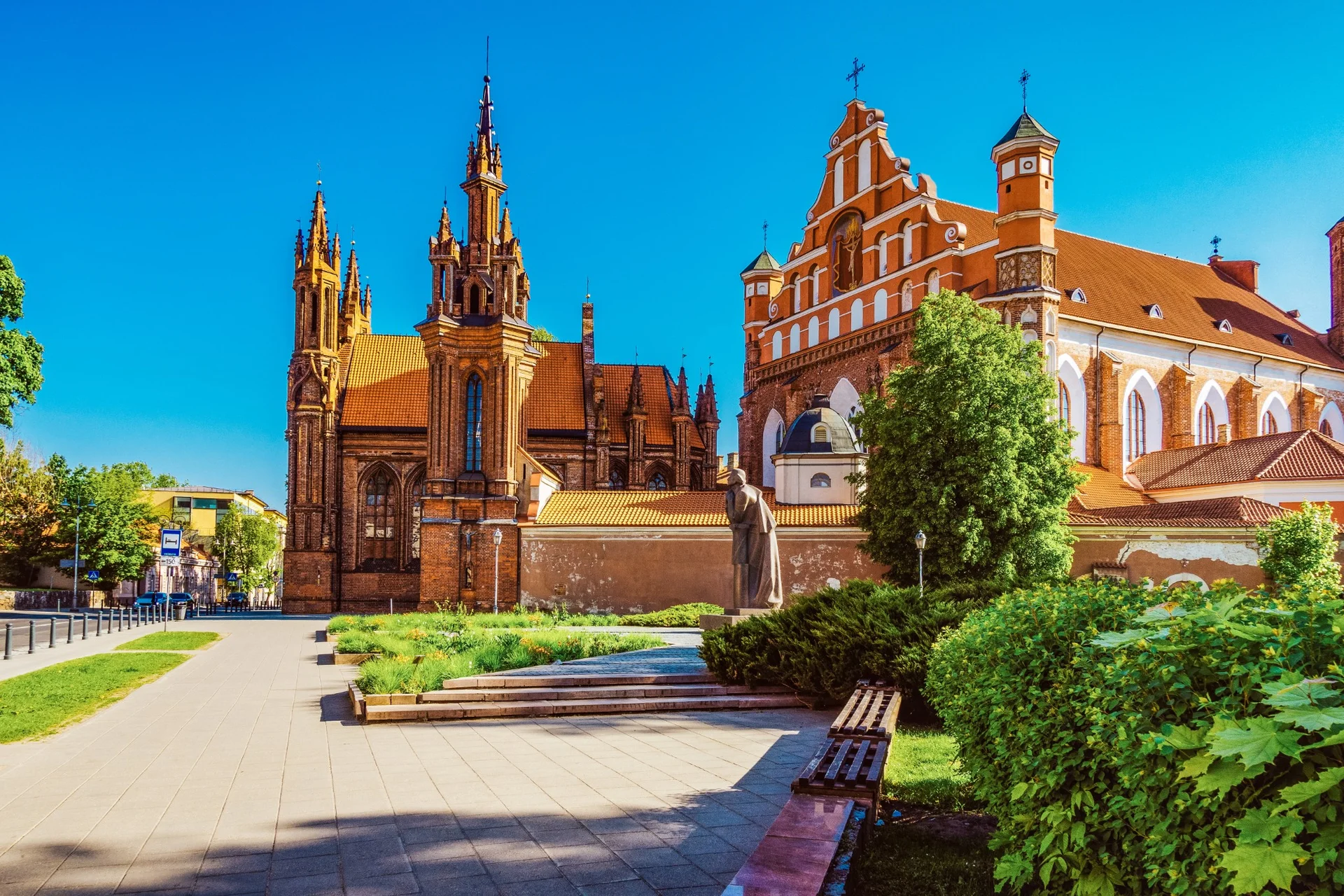
A short walk from Cathedral Square lies one of the most breathtaking heritage sites in Vilnius: St. Anne's Church. This masterpiece of Flamboyant Gothic architecture is so intricate and beautiful that a captivated Napoleon Bonaparte is said to have wished he could carry it back to Paris in the palm of his hand. Constructed with 33 different types of clay bricks, its facade is a mesmerising display of delicate arches, pinnacles, and patterns that seem to defy the solidity of their material. It’s a photographer’s dream, especially in the warm glow of the late afternoon sun.
Right beside St. Anne’s, you'll find the much larger and more imposing Bernardine Church. Together, they form a fascinating architectural ensemble. While St. Anne's is pure, delicate Gothic, the Bernardine Church is a robust mix of Gothic, Renaissance, and Baroque elements, reflecting its long and storied history. Originally part of the city's defensive wall, its powerful structure tells a tale of a city that had to protect its faith and its people. Visiting these two churches side-by-side provides a powerful lesson in the evolution of Vilnius's sacred architecture.
The Halls of Knowledge: Vilnius University's Historic Courtyards
To truly understand the intellectual soul of the city, you must explore the sprawling campus of Vilnius University. Founded in 1579, it is one of the oldest and most famous institutions of higher learning in Eastern and Central Europe. But this is no ordinary campus; it’s a city within a city, a labyrinthine complex of 13 interconnected courtyards, each with its own unique character and history. For a small entrance fee, you can wander through these passages and feel the weight of centuries of academic pursuit.
As you move from the Grand Courtyard to the Observatory Courtyard, you'll see a stunning blend of architectural styles, from Gothic to Neoclassicism. Look up to admire the beautiful frescoes in the Library Hall and don't miss the Church of St. Johns, which serves as the university's church. Its magnificent organ and soaring Baroque interior are awe-inspiring. For another incredible city view, you can climb its bell tower—the tallest in the Old Town. A visit here is a dive into the deep academic and cultural history that has shaped not just Vilnius, but the entire region.
Conclusion: A Living History Awaits
Vilnius is not a city that keeps its history behind glass. Its heritage sites are living, breathing parts of the urban landscape, from the students rushing through ancient university courtyards to the artists creating new works in the bohemian Republic of Užupis. The city’s cultural history is a dynamic story that continues to unfold every day on its medieval streets. Whether you are gazing down from Gediminas' Tower or tracing the brickwork of St. Anne's, you are connecting with a past that is profoundly and beautifully present. We invite you to come and walk these historic paths, to feel the spirit of the city, and to discover the endless layers of history that make Vilnius so unforgettable.