Jewish Vilnius is not only a map of places that disappeared. Street names, museum collections, memorial markers and a functioning house of prayer connect the city’s history with a Jewish community that continues to shape its cultural life. A responsible visit begins by recognising that distinction. Public streets can be explored freely, while community spaces have their own purpose, security needs and expectations for visitors.
Jewish heritage as part of present-day Vilnius
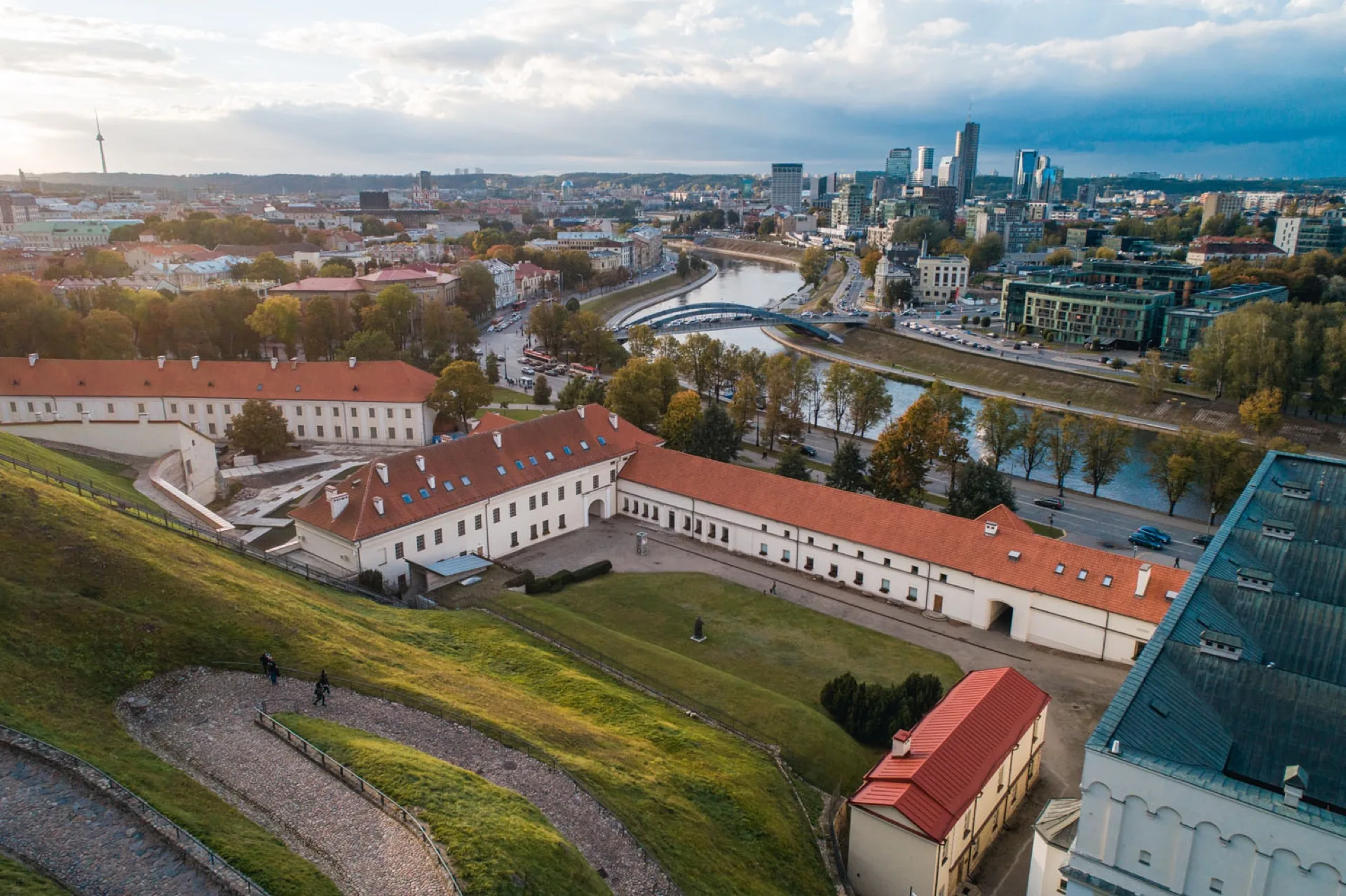
It helps to approach the subject in layers rather than as a checklist. The historic quarter and the site of the Great Synagogue introduce centuries of communal life. Museums provide evidence and context. The Choral Synagogue represents living religious practice, while Paneriai is a place of remembrance that calls for separate time and attention. The general Vilnius places directory can help with orientation, but specialist institutions should remain the source for historical and practical information.
The historic Jewish quarter was not the ghetto
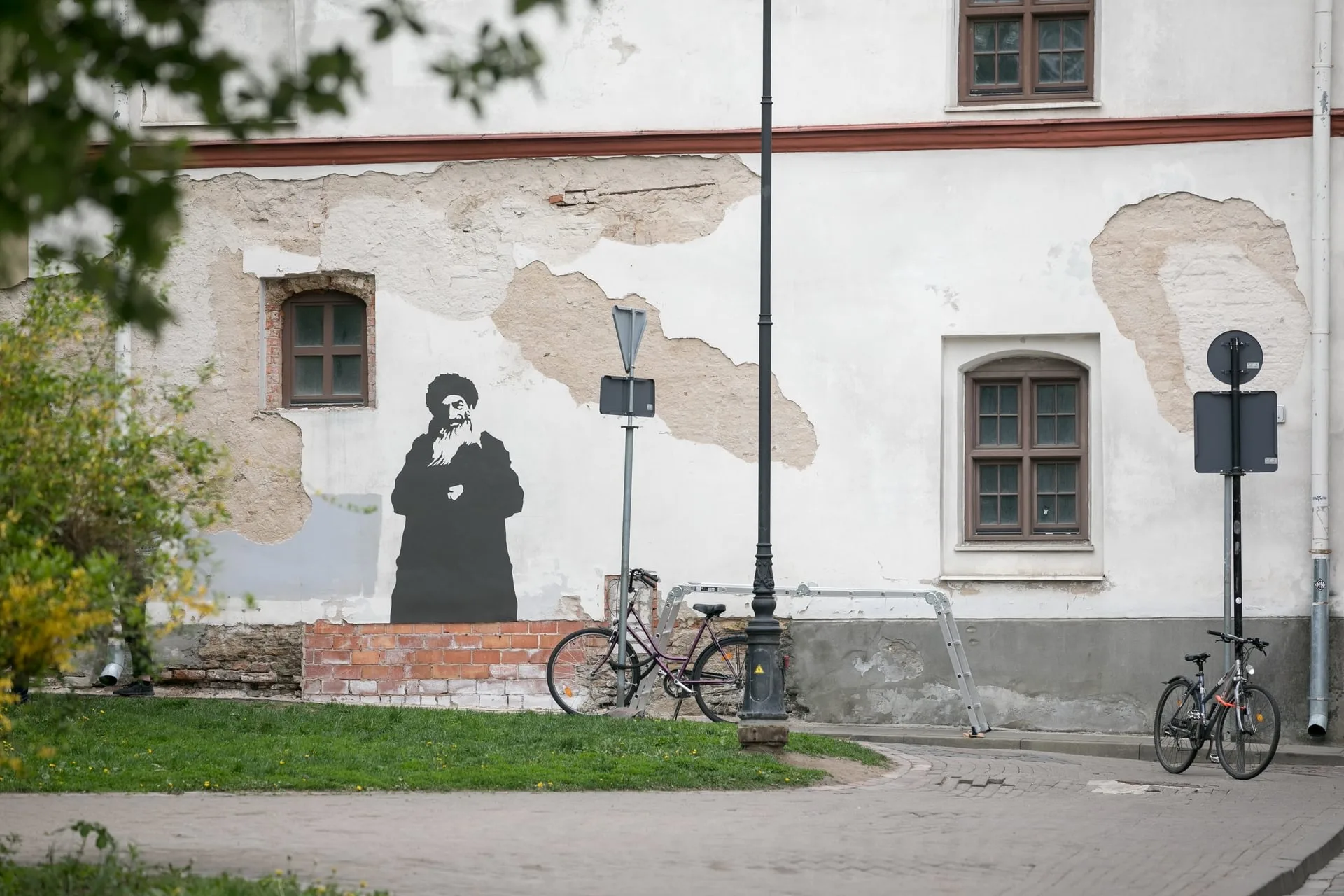
Jewish life developed around Žydų, Gaono, Stiklių and nearby streets over many generations. The area included prayer and study spaces, workshops, shops and communal institutions. Today, the street pattern, plaques, artworks and surviving architectural elements help visitors read parts of that history. They do not form an untouched historic scene, however, and claims that the whole quarter has been preserved should be avoided.
The old Jewish quarter must also be distinguished from the ghettos created under Nazi occupation. The quarter grew through everyday religious, family, intellectual and commercial life. The ghettos were enclosed zones imposed to isolate, persecute and ultimately destroy Jewish residents. Treating the two as interchangeable reduces a long urban history to the Holocaust and obscures the deliberate violence behind the ghettos. A careful account names both histories and explains how they differ.
The Great Synagogue site and its archaeology
The Great Synagogue stood on Žydų Street within a larger synagogue courtyard containing places for worship, learning and communal activity. The exact construction date of the masonry synagogue has not been established. Official sources connect its development with permission granted to the Jewish community to settle in this part of the city during the seventeenth century. The complex was damaged during the war and its remaining structures were subsequently destroyed by the Soviet authorities.
Archaeology has recovered traces of the bimah, ritual baths, floors, walls and other parts of the complex. These finds should not be treated as picturesque ruins. They are evidence for how people worshipped, studied and organised daily life. The Vilna Gaon Museum’s Great Synagogue account explains the research and the objects presented by the museum. Conditions at the outdoor site can change as investigation and conservation continue, so old photographs are not a reliable guide to what a visitor will encounter.
Museum of Culture and Identity of Lithuanian Jews
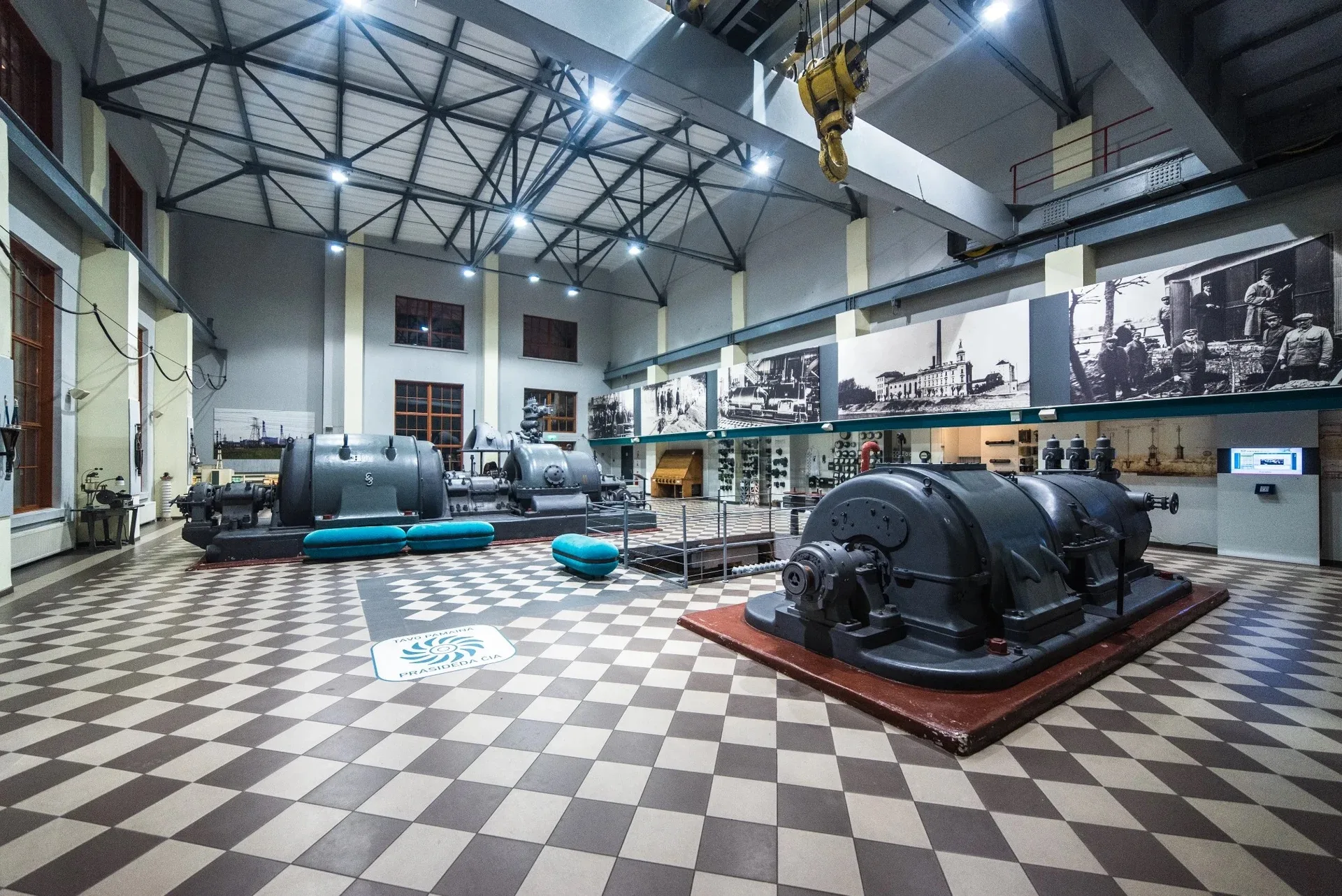
The museum on Pylimo Street presents Lithuanian Jewish history through religion, languages, shtetl life, literature, music, theatre, art and personal relationships with Lithuania. This breadth matters. Jewish history should not be introduced only through persecution and death; the cultural world that existed before the Holocaust, and the lives that continue after it, need space in the narrative.
The museum occupies a building connected with the history of Jewish education. Its official identity museum page outlines the themes and purpose of the exhibitions. Events, religious holidays and gallery changes may affect access, so visitors should consult the museum’s current visitor information shortly before going. Repeating admission details in an evergreen guide creates unnecessary errors and makes an otherwise historical article age quickly.
The Holocaust Exhibition
The Holocaust Exhibition on Pamėnkalnio Street addresses the restriction of Jewish rights, the establishment and liquidation of ghettos, mass murder, resistance, survival and rescue under Nazi occupation. Documents, testimony and individual stories place state policy and local events in a human context. The exhibition asks for attentive reading rather than a hurried stop between unrelated attractions.
The museum’s official Holocaust Exhibition overview is the appropriate preparation for a visit. It explains the scope of the narrative and the kinds of evidence used. Descriptions of this subject should avoid unsupported totals, competitive comparisons of suffering and dramatic promotional language. Accuracy does not make the history less affecting; it respects both the people whose lives are documented and readers who rely on the guide.
The Choral Synagogue is an active place of worship
The Choral Synagogue on Pylimo Street remains part of the religious and communal life of Vilnius. Its architecture and history are relevant to visitors, but it is not a museum with guaranteed public entry. Worship, community needs, religious observance and security take priority over sightseeing. A closed door or restricted visit should therefore be understood as part of respecting a living institution, not as a failure of service.
Anyone hoping to enter should first confirm that a visit is possible and follow instructions on dress, head covering, photography, electronic devices and behaviour during prayer. The Lithuanian Jewish Community’s synagogue rules provide the relevant framework. Organised visits may require prior registration, and arrangements announced for one event should never be presented as permanent access.
Paneriai requires a separate and respectful visit
During the Nazi occupation, Jews from Vilnius and surrounding communities were murdered at Paneriai, alongside people from other persecuted groups. Historical estimates of the number of victims have changed as research has developed. An article should not collapse those assessments into a single supposedly exact figure. It should identify the nature of the crime, the structures responsible for it and the different communities remembered across the memorial grounds.
Paneriai should be given its own place in an itinerary rather than paired with entertainment, shopping or dining. Visitors should observe signs, speak quietly, avoid inappropriate photography and leave room for reflection. Access to the memorial grounds and access to the information centre are not the same; seasonal arrangements and guided visits may require advance contact. The official Paneriai Memorial page should be checked before travelling. The purpose of the visit is remembrance and historical understanding, not the completion of another item on a tourist list.