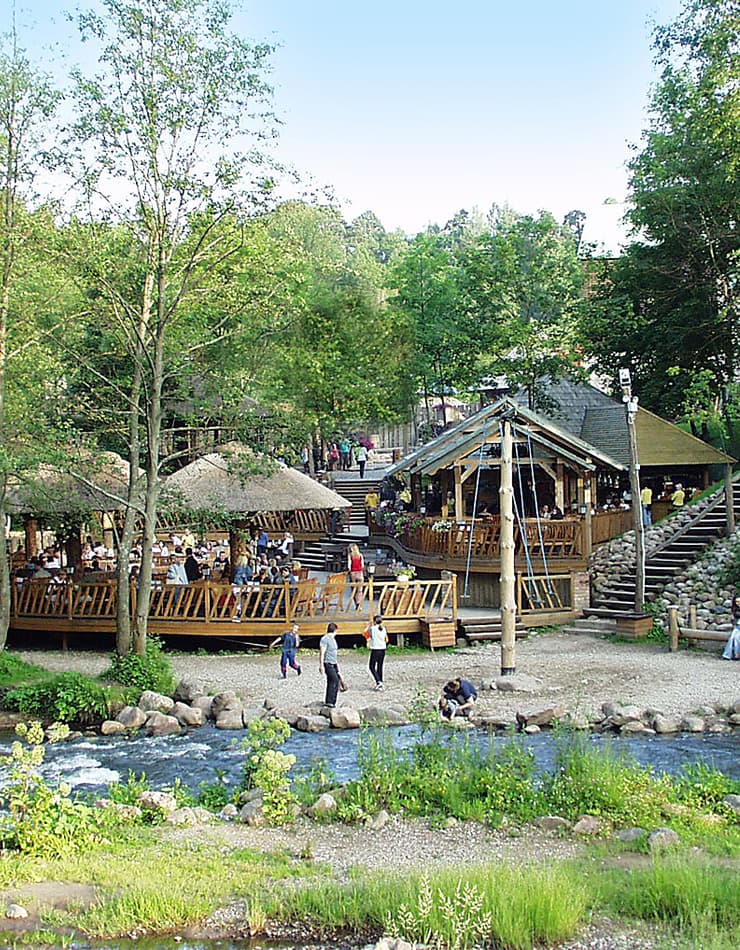
Things to Do in Vilnius: The Ultimate Travel Guide 2026
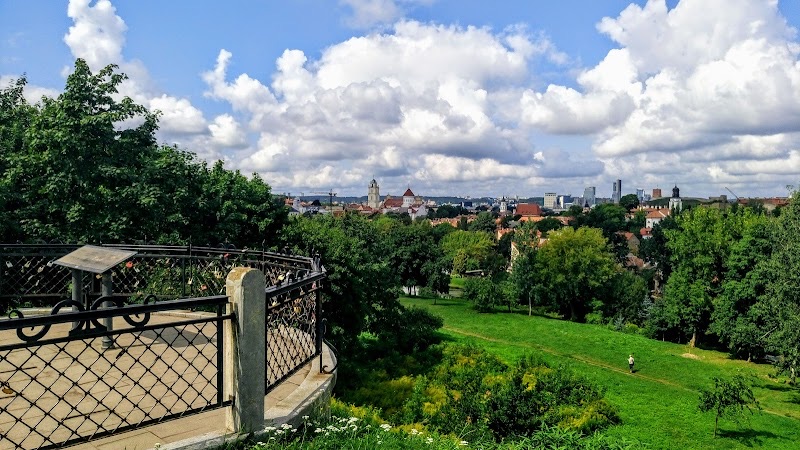
Vilnius is a city that surprises. Lithuania's capital combines medieval architecture, bohemian quarters, and a vibrant art scene in a compact area. Travelers here discover a European capital away from mass tourism, with genuine character, affordable prices, and unparalleled hospitality. This guide will take you through the best sights, activities, and experiences Vilnius has to offer in 2026.
The Old Town, A Tangible UNESCO World Heritage Site
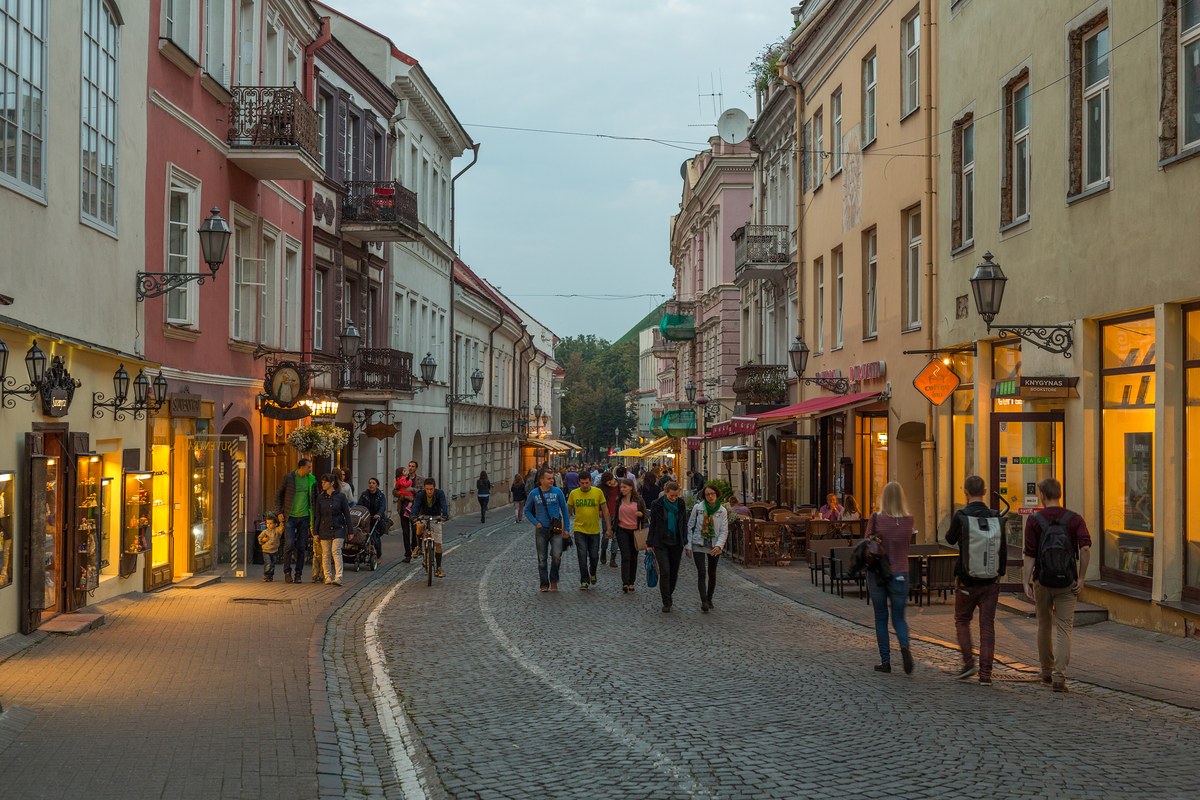
Vilnius Old Town is the largest preserved Baroque old town in Northern Europe and has been a UNESCO World Heritage site since 1994. Over 1,500 historic buildings are clustered within a radius of just a few hundred meters, from Gothic churches and Renaissance palaces to Baroque masterpieces. A stroll through its narrow alleys is like a journey through European architectural history.
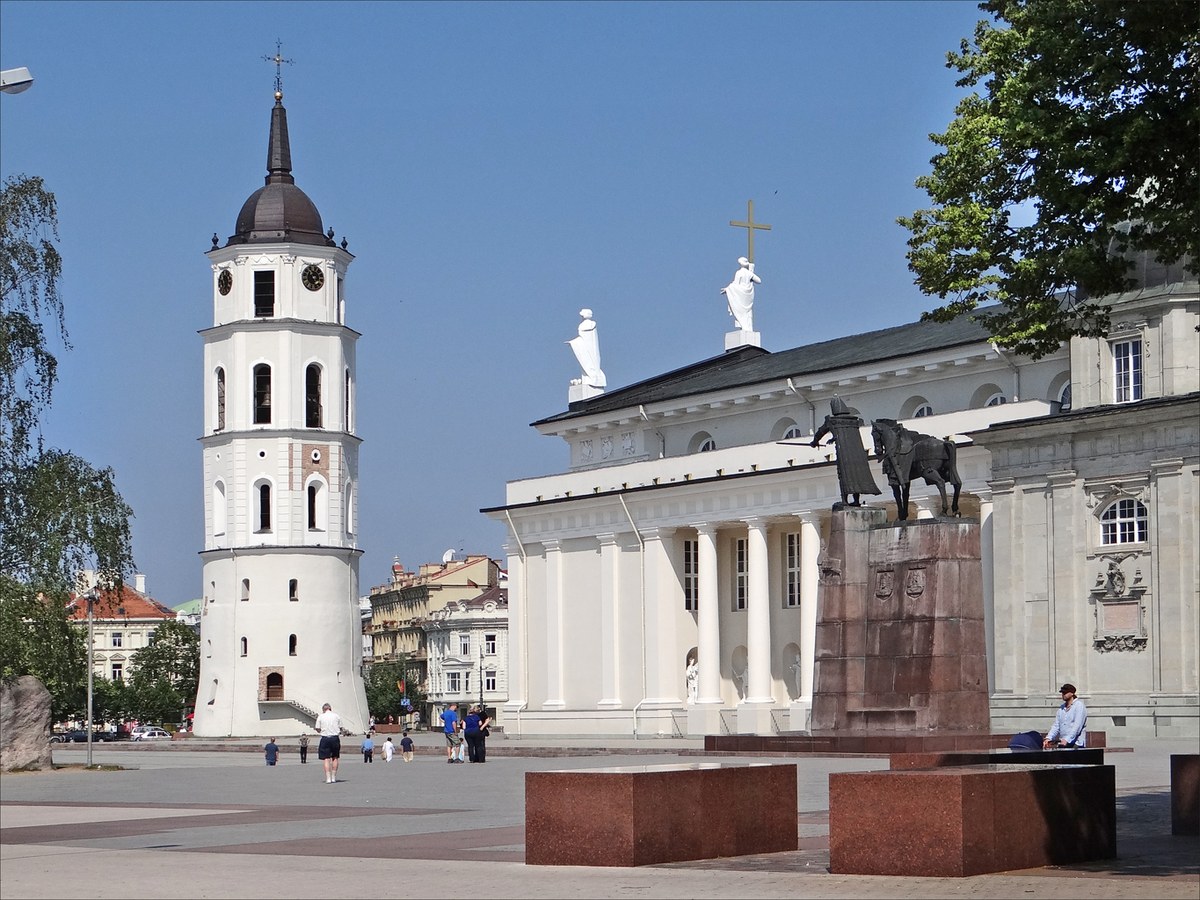
Begin your exploration at Cathedral Square, the heart of the city. The neoclassical Cathedral of St. Stanislaus and St. Ladislaus dominates the square, flanked by its distinctive bell tower. Look for the famous Stebuklas Stone (Miracle Tile) in the middle of the square, those who turn three times on it in a circle and make a wish are said to find luck. It's a ritual cherished by locals and tourists alike.
- Pilies Street, The Old Town's main shopping street, lined with antique shops, art galleries, and cafes. Ideal for an initial orientation stroll.
- University Quarter, Vilnius University, one of Eastern Europe's oldest (founded 1579), opens its impressive courtyards to visitors. The Astronomical Tower offers magnificent views over the rooftops.
- St. Anne's Church, This Gothic masterpiece is said to have impressed Napoleon so much that he wished he could carry it to Paris in the palm of his hand. A must-see for architecture lovers.
- Gate of Dawn (Aušros Vartai), The only surviving city gate houses a revered icon of the Mother of God. Devout pilgrims and curious visitors come daily.
Gediminas Castle and Castle Hill, The Symbol of Vilnius
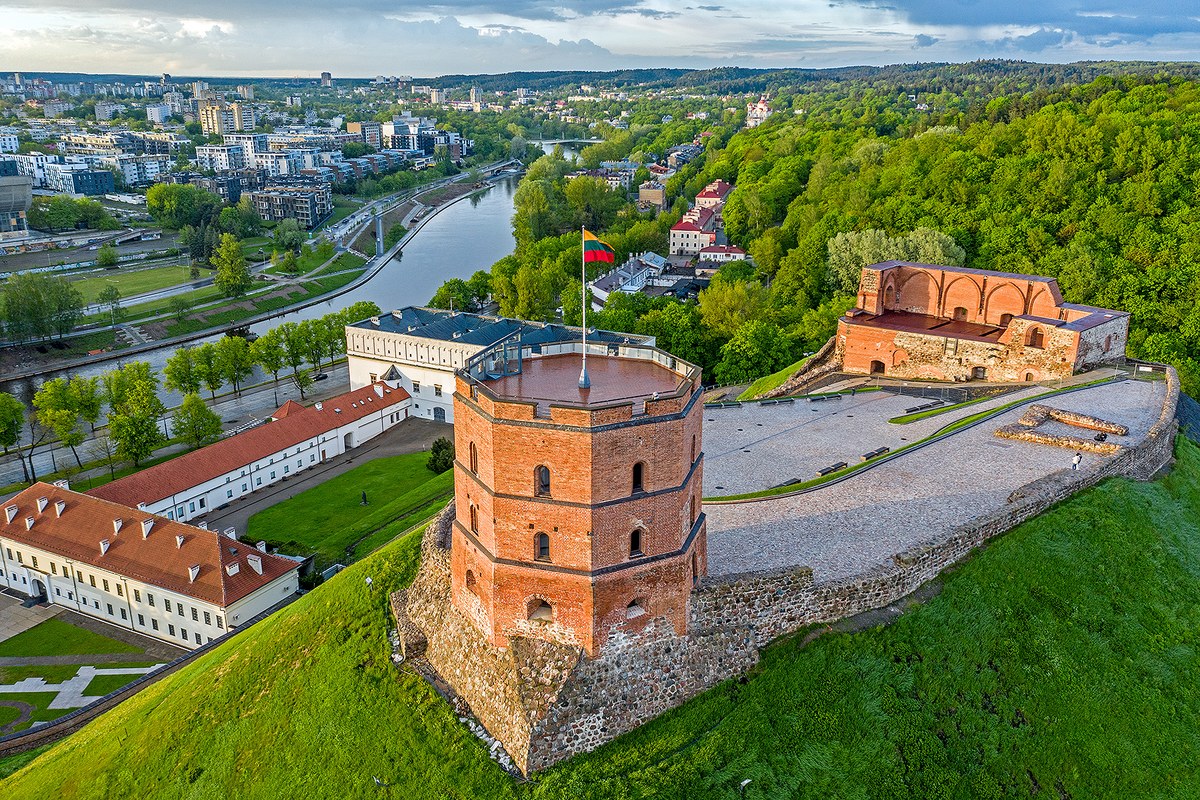
No visit to Vilnius is complete without ascending Castle Hill. The 48-meter-high hill bears the ruins of the 14th-century Upper Castle with its iconic tower, which has become a symbol of the city. The ascent takes about 15 minutes on foot but is absolutely worth it: from the top, you get a 360-degree panorama over the Old Town, the confluence of the Neris and Vilnelė rivers, and the modern high-rises of the financial district in the distance.
Alternatively, a small funicular goes up the hill, practical in rain or for travelers with limited mobility. Inside the tower itself is a small museum on the history of the castle and the city. The exhibition is compact but informative, providing a good overview of Lithuania's eventful history.
At the foot of Castle Hill lies the Gediminas Avenue area, Vilnius' elegant main promenade. Stroll here among cafes, boutiques, and the imposing National Museum for a relaxed break between sights.
Užupis, The Bohemian Republic in the Heart of the City
To truly understand Vilnius, you must visit Užupis. This small district beyond the Vilnelė River declared itself an independent republic in 1997, with its own constitution, president, and army (consisting of twelve men). What began as an artist's joke is now one of Eastern Europe's most interesting neighborhoods.
The Constitution of Užupis is engraved on a wall in over 20 languages, including German. It contains articles such as: “Everyone has the right to die, but this is not an obligation" and “Everyone has the right to be idle." The constitution is part philosophy, part humor, part serious human rights declaration.
- Angel Statue, In the heart of Užupis stands the bronze angel on a column, a symbol of the district and a popular meeting point.
- Street Art, Murals and installations on every corner make Užupis an open-air museum.
- Studios and Galleries, Numerous artists have their workshops here. Many open to the public on April 1st (the anniversary of the declaration of independence).
- Cafes and Bars, The gastronomy in Užupis is as idiosyncratic as the district itself. Particularly recommended: the small coffee shops on the banks of the Vilnelė.
Activities: More Than Just Sights
Kayaking on the Neris River
Vilnius is located at the confluence of two rivers, and kayaking on the Neris is one of the best ways to experience the city from a new perspective. From April to October, several providers offer guided tours and kayak rentals. The city route passes the Old Town, Castle Hill, and modern bridges, an unforgettable experience that combines physical activity with sightseeing.
Street Art Tour
In recent years, Vilnius has developed into a hotspot for street art. Particularly the Naujininkai district and the area around Pylimo Street offer impressive murals by international and local artists. A self-guided tour can be planned with a free map from the tourist center, or you can book a guided tour with a local art expert.
Bike Tours Through the Districts
Vilnius is surprisingly bicycle-friendly. A rental bike (via CycloCity or similar providers) allows you to explore the city's highlights in just a few hours: from Bernardine Garden to Užupis and Vingis Park. Routes along the rivers are particularly recommended.
Day Trip: Trakai, The Castle on the Lake
Just 28 kilometers from Vilnius lies Trakai, one of Lithuania's most popular day trip destinations. The medieval island castle on Lake Galvė is breathtakingly beautiful, especially in summer when its red brick towers reflect in the calm water. Trakai is easily accessible by bus (departing from the bus station, approx. 45 minutes) or by train.
In Trakai, be sure to try: Kibinai, the traditional pastries of the Karaite minority