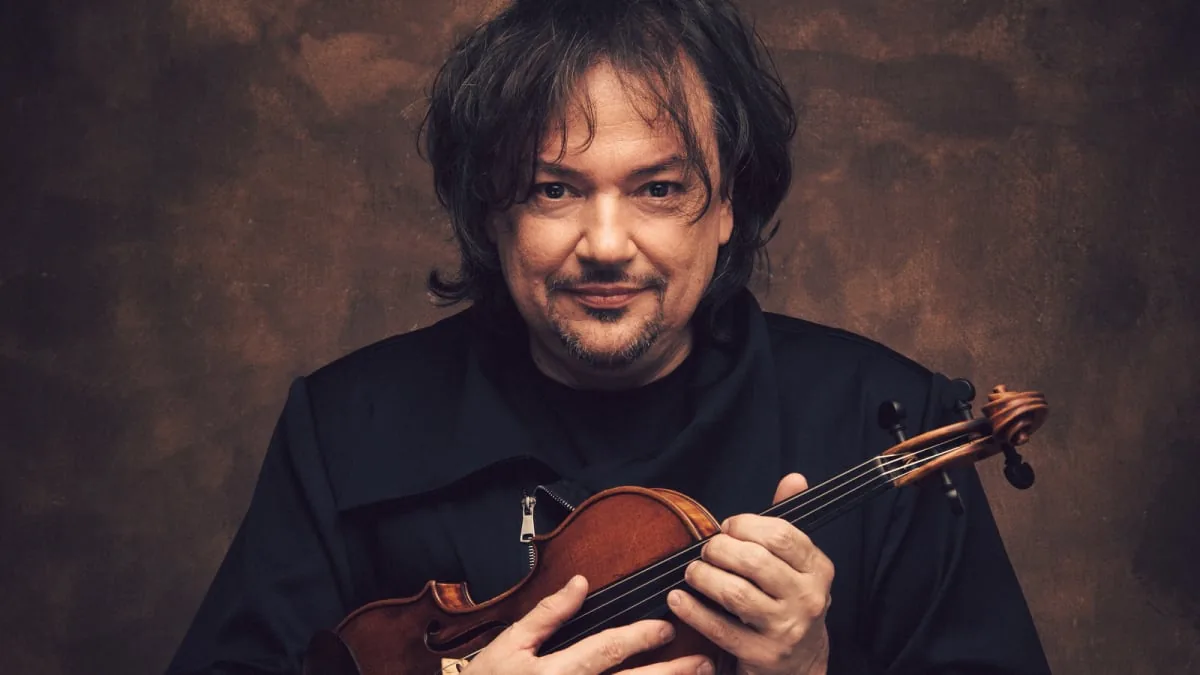
Christmas with the Lithuanian Chamber Orchestra and Sergej Krylov
concertAbout
Performers:
LITHUANIAN CHAMBER ORCHESTRA
Artistic Director, Soloist and Conductor SERGEJ KRYLOV (violin)
Programme:
JOHANN SEBASTIAN BACH – Brandenburg Concerto No. 3 in G major, BWV 1048; Concerto for Violin and Orchestra in G minor, BWV 1056R
JOSEPH HAYDN – Symphony No. 6 in D major ("Morning"), Hob. I:6
MAURICE RAVEL – Rhapsody "Tzigane" for violin and orchestra, M. 76 (orchestration by Tomas Petrikis for violin and strings)
LITHUANIAN CHAMBER ORCHESTRA
Artistic Director, Soloist and Conductor SERGEJ KRYLOV (violin)
Programme:
JOHANN SEBASTIAN BACH – Brandenburg Concerto No. 3 in G major, BWV 1048; Concerto for Violin and Orchestra in G minor, BWV 1056R
JOSEPH HAYDN – Symphony No. 6 in D major ("Morning"), Hob. I:6
MAURICE RAVEL – Rhapsody "Tzigane" for violin and orchestra, M. 76 (orchestration by Tomas Petrikis for violin and strings)
In this traditional Christmas concert by the Lithuanian Chamber Orchestra and its Artistic Director, violinist, and conductor Sergej Krylov, the Christmas spirit will be created by two works by Johann Sebastian Bach. Around 1721, he wrote six orchestral opuses and dedicated them to the commissioner – Margrave Christian Ludwig of Brandenburg. "Six Concertos for various instruments," as the composer called them. This evening will feature Brandenburg Concerto No. 3 in G major, BWV 1048 – here Bach does not single out soloists, but ingeniously uses various calls and responses between all string trios, having divided the string orchestra into parts. We will also hear one of Bach's most popular Concertos for Violin in G minor, BWV 1056R. Like other composers, Bach used material from his earlier compositions for new opuses, and the predecessor of this one is a concerto for keyboard.
The eldest representative of the Viennese Classical school, Joseph Haydn, composed 103 symphonies, and among the earliest, three are best known (Nos. 6, 7, and 8), created in 1761 and bearing programmatic titles "Morning," "Noon," and "Evening." These were the first works with which Haydn introduced himself to the Esterházy princely court orchestra and the public. Names for Haydn's symphonies were usually given by friends or listeners, and the title "Morning" for Symphony No. 6 is associated with the short slow introduction of the first movement, reminiscent of a sunrise.
The French Impressionist Maurice Ravel called his rhapsody "Tzigane" for violin and orchestra "a virtuoso piece in the style of a Hungarian rhapsody." The composer dedicated it to one of the most famous violinists of his generation, the Hungarian Jelly d’Arányi, who first performed it in 1924 in London. Interestingly, critics of the time disparaged the opus, calling it kitsch, a pastiche, "instrumental acrobatics," but now the rhapsody triumphantly travels across the world's most famous stages.
Details
Date
December 26, 2026
Location
Lietuvos nacionalinė filharmonija
Price
from 31.00 €