Choosing between the three Baltic sisters—Vilnius, Riga, and Tallinn—is a wonderful travel dilemma to have. Each capital city is a UNESCO-listed gem, brimming with history, charm, and a unique personality. But which one is right for your next trip? This Baltic cities comparison is designed to help you decide. Whether you're weighing up Vilnius vs Riga for its grandeur or Vilnius vs Tallinn for its fairytale looks, we’ll explore what makes each city special to help you find the best Baltic capital for your travel style.
While they are often grouped together, these cities offer vastly different experiences. Tallinn feels like a perfectly preserved Hanseatic fairytale, a direct portal to the 13th century. Riga impresses with its grand boulevards and the world’s most stunning collection of Art Nouveau architecture. And Vilnius? Vilnius is the bohemian soul of the Baltics, a sprawling Baroque masterpiece filled with hidden courtyards, quirky art, and an infectious, creative energy that invites you to get lost and discover its secrets.
The Heart of the City: A Tale of Three Old Towns
The historical core is the main draw for many visitors, and each capital delivers a distinct flavour.
Tallinn’s Old Town is arguably the most famous. It’s a compact, incredibly well-preserved medieval fortress, complete with towering defensive walls and guard towers you can still walk along. Its winding cobblestone lanes and merchant houses feel like a movie set. It is undeniably beautiful, but its popularity means it can feel crowded and a bit like a museum, especially during peak season.
Riga’s Old Town feels grander and more spacious. It was heavily rebuilt after WWII but retains its historic charm with large squares, the iconic House of the Blackheads, and imposing churches like the Riga Cathedral. Its scale feels more like a major European hub, a bustling centrepoint that flows into the wider city.
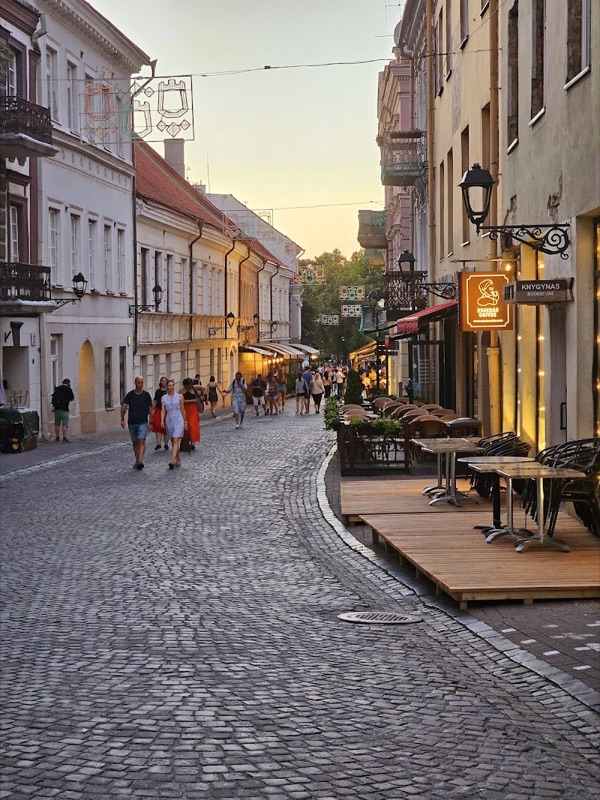
Vilnius offers something different. Its Old Town is one of the largest surviving medieval old towns in Northern Europe, but it feels less like a fortress and more like a living, breathing city. Instead of just Gothic and medieval architecture, Vilnius is a symphony of styles, dominated by stunning Italian Baroque churches and university buildings. The real magic lies in its layout: a labyrinth of narrow streets that unexpectedly open into sun-drenched courtyards housing artisan shops, quiet cafes, and local residences. It feels authentic and endlessly explorable, from the bustling Pilies Street to the sacred Gates of Dawn.
Beyond the Cobblestones: Vibe and Modern Culture
A city's character is defined by more than just its oldest buildings. When it comes to modern culture and overall vibe, the differences between the capitals become even clearer.
Tallinn expertly blends its medieval past with a high-tech future. Just outside the Old Town walls, you'll find the Telliskivi Creative City, a former industrial complex transformed into a vibrant hub of street art, independent boutiques, and trendy eateries. This reflects Estonia's reputation as a digital-savvy, Nordic-leaning nation.
Riga projects a "big city" energy. Its main draw beyond the Old Town is the breathtaking Art Nouveau district, a must-see for architecture lovers. The city boasts a lively nightlife scene and a cosmopolitan atmosphere, feeling like the bustling metropolis of the Baltics.
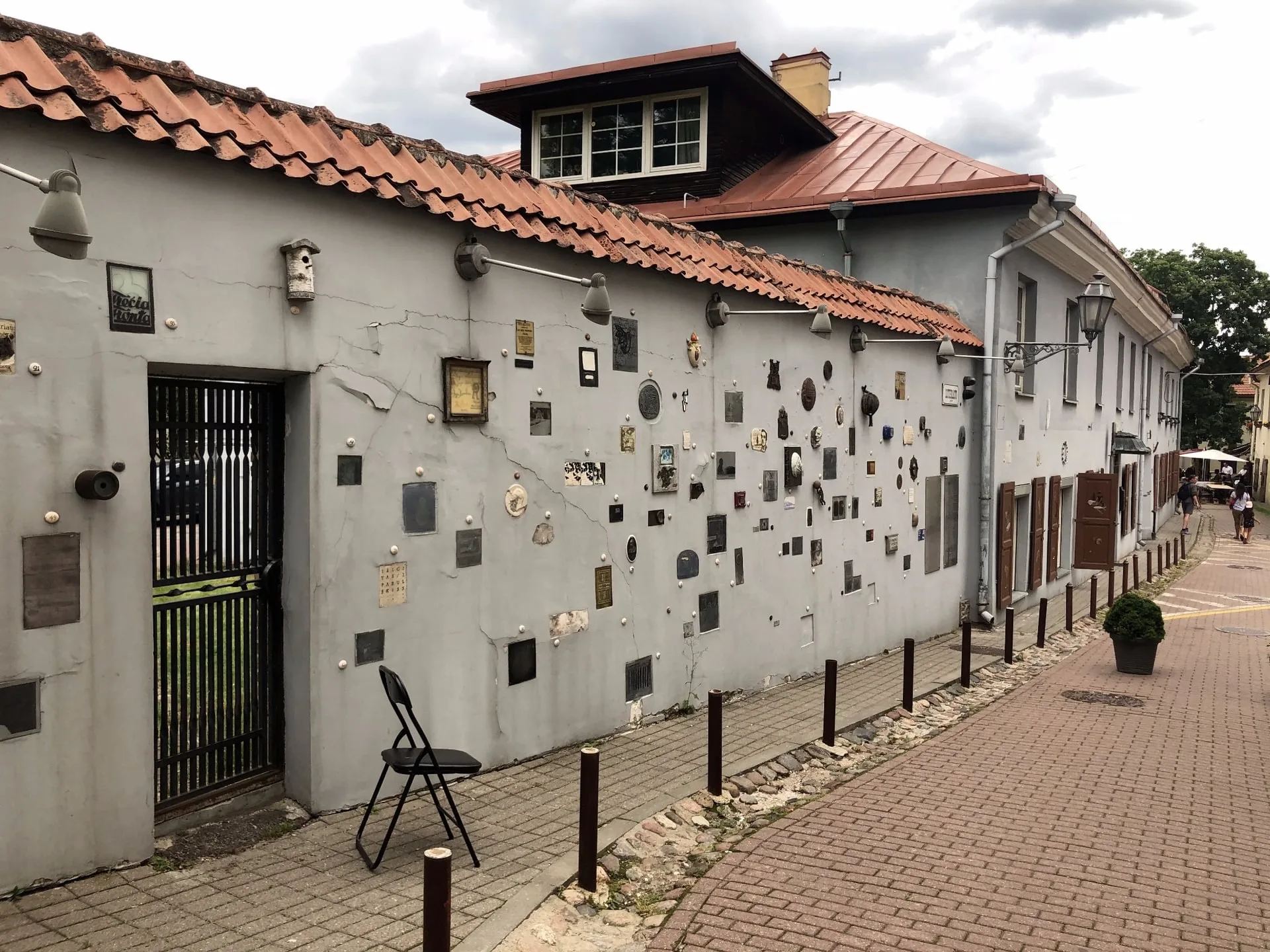
Vilnius, however, shines with its bohemian and artistic spirit. The prime example is the Republic of Užupis, a self-declared independent republic of artists and dreamers right in the heart of the city. With its own constitution, anthem, and president, this neighbourhood is a testament to Vilnius's creative soul. The city is also a canvas for incredible street art and is dotted with cozy, independent cafes and bars where locals and visitors mingle. This creative, slightly offbeat energy gives Vilnius a unique and captivating personality that feels both welcoming and endlessly fascinating.
Practical Matters: Food, Fun, and Your Budget
Let’s talk practicals. When comparing Vilnius vs Riga or Vilnius vs Tallinn, your budget and taste buds are important factors.
In terms of affordability, Vilnius is widely considered the most budget-friendly of the three capitals. From accommodation to dining, your money often goes further here, allowing you to experience more without breaking the bank. Riga is a close second, while Tallinn, with its Nordic influences and high tourist traffic, tends to be the most expensive.
For foodies, each city offers a unique culinary journey. Tallinn leans towards modern Nordic cuisine, Riga offers hearty German and Russian-influenced dishes (and the famous Black Balsam liqueur), while Vilnius provides a truly unique taste of Lithuanian culture. Don’t leave without trying cepelinai (hearty potato dumplings) or the shockingly pink cold beet soup, šaltibarščiai. For an authentic experience, head to Halės Turgus (Hales Market) to sample local produce and snacks.
For day trips, all three offer great options. From Tallinn, you can ferry to Helsinki. From Riga, the beach resort of Jurmala is a short train ride away. But Vilnius boasts a true showstopper: the stunning Trakai Island Castle, a fairytale Gothic fortress set on a beautiful lake, just 30 minutes away.
The Verdict: Which Baltic Capital is for You?
So, which is the best Baltic capital? The truth is, it depends entirely on the traveller.
- Visit Tallinn if: You want a perfectly preserved medieval fairytale, you're fascinated by Hanseatic history, and you appreciate a Nordic, tech-savvy vibe.
- Visit Riga if: You love grand architecture, especially Art Nouveau, you enjoy a bustling "big city" atmosphere, and you’re looking for vibrant nightlife.
- Visit Vilnius if: You're a curious traveller who loves to explore, you’re drawn to artistic and bohemian culture, you appreciate stunning Baroque architecture, and you want an authentic, budget-friendly European city break.
If you’re looking for a city with soul, a place where every hidden courtyard tells a story and creativity is celebrated on every corner, then Vilnius is waiting for you. It’s the capital that might just surprise you the most and capture your heart completely.
Frequently Asked Questions
Q: Is Vilnius a safe city for tourists?
A: Yes, Vilnius is considered very safe for tourists, with a low crime rate, especially within the well-policed Old Town and central districts. Standard precautions against pickpocketing in crowded areas are always recommended.
Q: What is a realistic daily budget for Vilnius?
A: A mid-range traveller can expect to spend around €50-€80 per day, covering accommodation, food, and attractions. Budget-conscious backpackers can manage on as little as €30-€40.
Q: How do you get around in Vilnius?
A: The compact, UNESCO-listed Old Town is best explored on foot, as most major sights are within easy walking distance. For longer distances, Vilnius has an efficient and affordable public transport network of buses and trolleybuses.
Q: What is the best time of year to visit Vilnius?
A: The best time to visit Vilnius is during the summer months from June to August, when you can enjoy pleasant weather with average temperatures of 17-21°C (63-70°F). This period is also popular for its numerous outdoor festivals and events.
Q: What traditional Lithuanian food must I try in Vilnius?
A: You must try cepelinai, which are large potato dumplings stuffed with meat or cheese, and šaltibarščiai, a vibrant cold beet soup popular in the summer. For a snack, try kibinai, a savory pastry often filled with mutton and onions.
Q: What is Vilnius famous for?
A: Vilnius is famous for having one of Northern Europe's largest surviving medieval old towns, a UNESCO World Heritage site renowned for its stunning Baroque architecture. It is also known for its quirky artists' district, the self-declared Republic of Užupis.