VisitVilnius.lt
3 Days in Vilnius: The Perfect Itinerary for First-Time Visitors — guide | VisitVilnius.lt
guide

3 Days in Vilnius: The Perfect Itinerary for First-Time Visitors

20 min read

Plan your perfect 3 days in Vilnius with this complete itinerary: Old Town, Užupis, Trakai Castle and practical tips for first-time visitors to Lithuania's capital.

Often overlooked for its more famous European counterparts, Vilnius, the capital of Lithuania, is a city that quietly captivates the hearts of those who wander its cobblestone streets. It’s a place where baroque beauty meets a raw, creative energy, a city of leafy parks and hidden courtyards, where centuries of history are etched into the very fabric of its buildings. Unlike the grand, imperial scale of Paris or Rome, Vilnius offers a more intimate and accessible charm. It’s a city that doesn’t shout for your attention; it whispers, inviting you to lean in closer and discover its secrets at your own pace.

What surprises first-time visitors most is the sheer vibrancy and eclecticism of the city. One moment you're standing before a magnificent 18th-century church, the next you're reading a quirky, multilingual constitution in a self-proclaimed independent republic of artists. The city is a stunning tapestry of architectural styles—Gothic, Renaissance, Baroque, and Neoclassical—all coexisting harmoniously. This visual feast is complemented by a surprisingly modern and dynamic culinary scene, a thriving arts community, and a palpable sense of optimism that defines a nation that has so powerfully reclaimed its identity.

This itinerary is designed to be your friendly guide, a companion to help you navigate the best of Vilnius in three days. It balances the must-see historical landmarks with the local hangouts, the iconic dishes with the contemporary cafes, and the well-trodden paths with the hidden gems. It’s a journey through the heart of a city that is at once ancient and youthful, serene and spirited. Prepare to be enchanted by Vilnius, a true hidden gem of the Baltics that is ready for its moment in the spotlight.

Day 1: Old Town & Cathedral Square

Your first day in Vilnius is all about immersing yourself in the historic heart of the city, the UNESCO-listed Old Town. It's one of the largest surviving medieval old towns in Northern Europe, a labyrinth of narrow streets, grand squares, and breathtaking churches that tells the story of the city's rise as the capital of the Grand Duchy of Lithuania.

Morning: Cathedral Square, Gediminas Castle Tower, and Bernardine Garden

Start your day at the magnificent Cathedral Square (Katedros aikštė), the historical and spiritual heart of Lithuania. Dominated by the striking white façade of Vilnius Cathedral and its freestanding Bell Tower, this expansive square is where the city's most important events have unfolded for centuries. The Cathedral itself, a masterpiece of Neoclassicism, stands on a site that has been a place of worship since pagan times. Step inside to see the stunning Chapel of Saint Casimir, a baroque gem. Don't forget to look for the "stebuklas" (miracle) tile between the Cathedral and the Bell Tower. Stand on it, make a wish, and spin around three times – a beloved local tradition.

From the square, look up to see the iconic Gediminas Castle Tower perched atop a hill. The climb up is a short but steep walk, or you can take the funicular for a small fee. The effort is rewarded with the most spectacular panoramic views of the city. You'll see the endless sea of red-tiled roofs of the Old Town, the modern skyline across the river, and the green hills that cradle Vilnius. The tower itself is all that remains of the Upper Castle and houses a small museum detailing the city's history. It’s the perfect spot to get your bearings and appreciate the layout of the city you’re about to explore.

After your descent, take a leisurely stroll through the nearby Bernardine Garden (Bernardinų sodas). This beautifully restored park, nestled between Gediminas Hill and the Vilnia River, is a tranquil oasis. With its botanical displays, musical fountain, and serene pathways, it’s a favorite spot for locals to relax. It’s the perfect place for a peaceful break before a hearty Lithuanian lunch.

Lunch: A Taste of Traditional Lithuania

For your first Lithuanian meal, dive headfirst into the national cuisine at a traditional restaurant. Two excellent choices in the Old Town are Bernelių Užeiga or Etno Dvaras. Both offer a cozy, rustic atmosphere and an extensive menu of authentic dishes. The must-try dish is cepelinai, large potato dumplings stuffed with meat, cheese, or mushrooms, often served with a sour cream and bacon sauce. Another local favorite, especially in warmer months, is šaltibarščiai, a bright pink cold beet soup served with hot potatoes. It's as delicious as it is photogenic. Be sure to order a side of kepta duona, fried dark rye bread with garlic and cheese sauce – the ultimate Lithuanian snack.

Afternoon: Pilies Street, St. Anne's Church, and Vilnius University

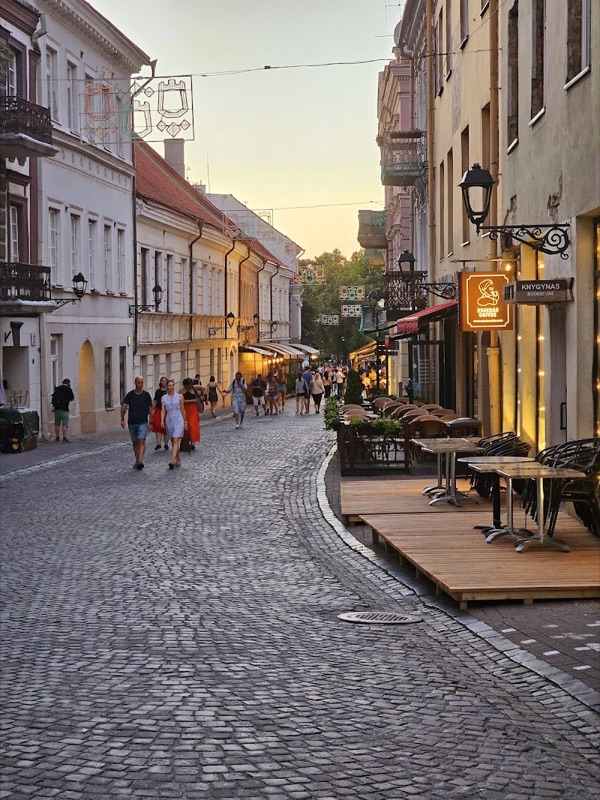
Energized by lunch, spend your afternoon exploring the main artery of the Old Town, Pilies Street (Pilies gatvė). This bustling, vibrant street connects Cathedral Square to the Town Hall and is lined with artisan shops, amber galleries, cafes, and colorful building facades. It’s the perfect place for souvenir shopping and people-watching.

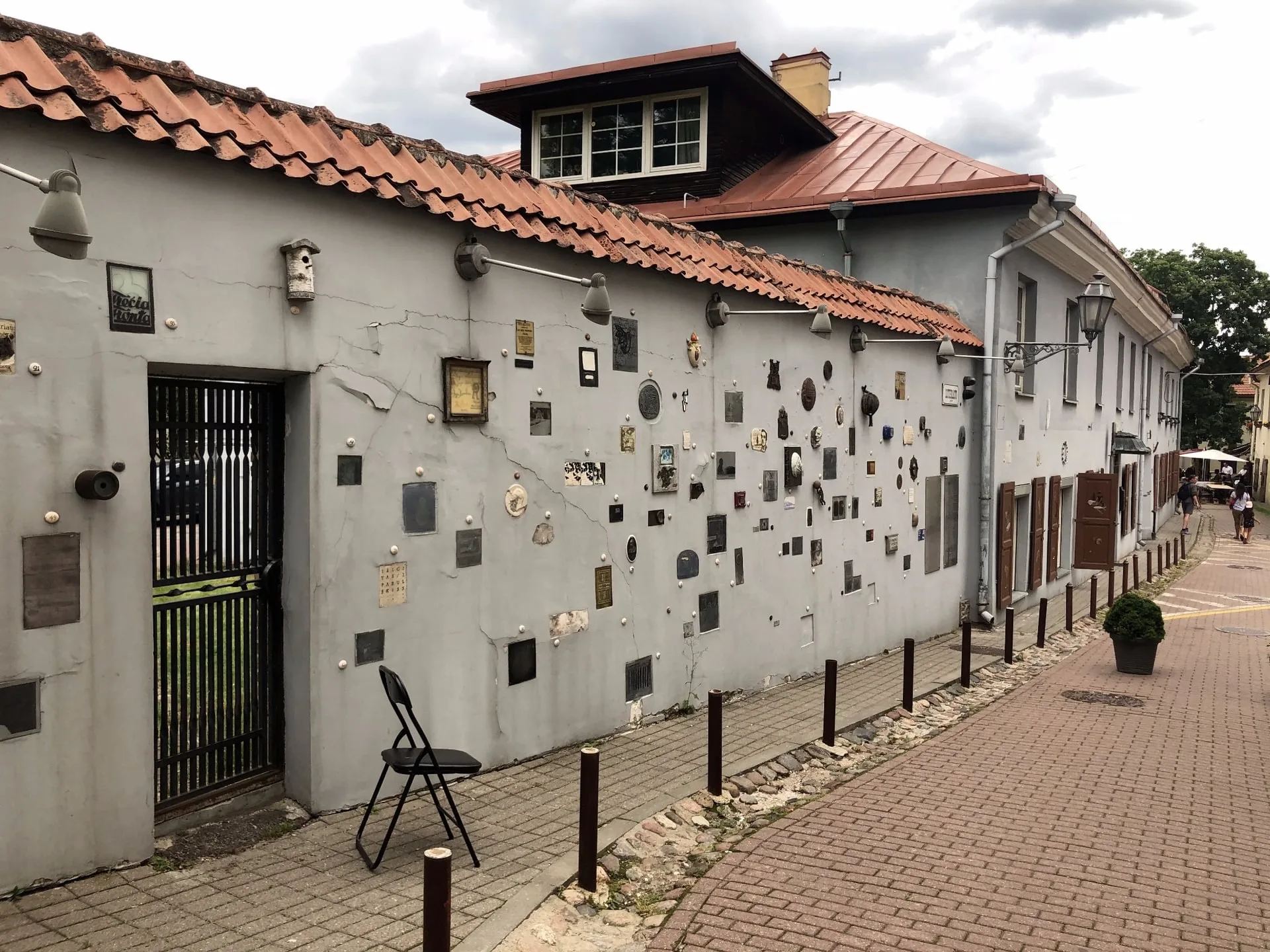
As you wander, you’ll inevitably be drawn to the stunning architectural ensemble of St. Anne's Church and the adjacent Bernardine Church. St. Anne's is a masterpiece of Flamboyant Gothic architecture, with a facade of 33 different kinds of clay bricks. It’s so beautiful, in fact, that Napoleon Bonaparte was said to have been so enamored with it that he wished he could carry it back to Paris in the palm of his hand. Just a short walk away is Literatų Street (Literatų gatvė), or Literature Street. This unique open-air gallery pays tribute to Lithuanian authors and literary figures with small, artistic plaques embedded directly into the wall. It’s a charming and creative corner of the city.

Finally, make your way to Vilnius University. Founded in 1579, it is one of the oldest and most famous universities in Eastern and Central Europe. You can enter its complex of courtyards, each with its own distinct character and architectural style. The most stunning is the Grand Courtyard, surrounded by arcades and frescoes. Don’t miss the Church of St. Johns, whose magnificent baroque interior and towering belfry (which you can climb for another great view) are truly awe-inspiring.

Evening: Užupis Vibes or Vokiečių Street Buzz

As evening falls, you have a couple of excellent options. For a bohemian and artistic atmosphere, cross the bridge into the Užupis district. Here you’ll find quirky bars and cozy pubs perfect for a relaxed drink. Alternatively, head to Vokiečių Street (Vokiečių gatvė), a wide boulevard in the Old Town known for its lively bars and restaurants with outdoor seating in the summer. End your day with a magical evening stroll through the illuminated streets of the Old Town, with the churches and squares bathed in a warm, golden light.

Day 2: Užupis, Museums & Modern Vilnius

Day two is a journey into the soul of Vilnius, from its fiercely independent artistic heart to its modern, sophisticated pulse. You'll explore a self-declared republic, delve into the nation's history and art, and stroll down its main commercial avenue.

Power Up at the Energy and Technology Museum

For a truly electrifying experience, visit the Energy and Technology Museum (Energetikos ir technikos muziejus), housed inside a former power plant. This dynamic space offers a hands-on journey through industrial history and science. While the interactive displays are engaging for all ages, the main event is the Tesla Hall. Here, science comes alive with spectacular live demonstrations where you can witness crackling lightning bolts from a Tesla coil. The show is both educational and entertaining, making complex physics feel like a magic performance. It’s an unforgettable stop that brilliantly combines learning with sheer spectacle, making it a perfect activity for families and curious travelers alike.

Reach for the Sky at the Vilnius TV Tower

No trip to Vilnius is complete without ascending the iconic TV Tower, Lithuania’s tallest structure at 326.5 meters. A high-speed elevator will take you to the observation deck, which houses the “Paukščių takas” restaurant. This circular platform slowly completes a full 360-degree rotation every hour, offering an ever-changing, panoramic view of the capital and its lush, green surroundings. As you enjoy a coffee, the entire city unfolds beneath you, from the historic Old Town to the modern business district. Seeing the cityscape from this vantage point provides a unique perspective and a serene, memorable experience high above the hustle and bustle. It's a landmark of Lithuanian history that offers breathtaking views day or night.

A Fairytale Day Trip to Trakai Castle

On your third day, escape the city for a short 30-minute journey to a scene from a storybook: Trakai Island Castle. This stunning 14th-century Gothic masterpiece is the only one of its kind in Eastern Europe built on an island, rising majestically from Lake Galvė. After exploring the castle’s history, immerse yourself in the local culture by trying "kibinai," savory pastries made by the local Karaim community, available at many lakeside cafes. To complete the experience, rent a boat or take a yacht tour around the lake. Gliding on the water offers the best photographic views of the castle and provides a peaceful end to your Vilnius adventure, perfectly combining history, nature, and unique culinary delights.

Morning: The Republic of Užupis

Start your morning by crossing the Vilnia River into the Republic of Užupis. This small, creative district declared its independence (mostly tongue-in-cheek) on April 1st, 1997. It has its own president, flag, anthem, and a wonderfully whimsical constitution, which is displayed in over 20 languages on a wall on Paupio Street. The articles include gems like "Everyone has the right to be happy," "Everyone has the right to be unhappy," and "A dog has the right to be a dog."

Užupis is often compared to Montmartre in Paris or Freetown Christiania in Copenhagen for its bohemian, artistic vibe. The district is a maze of art studios, galleries, quirky sculptures, and charming cafes. The main square is guarded by the Angel of Užupis, a bronze sculpture symbolizing artistic freedom. Take your time to wander the streets, peek into the courtyards, and soak up the unique, creative atmosphere of this special corner of Vilnius.

Lunch: Market Feasting or Modern Cafes

For lunch, experience a true local hub at Halės Market (Halės turgus). Housed in a historic early 20th-century building, it’s the oldest market in Vilnius. Inside, you'll find a vibrant mix of fresh produce stalls, butchers, and cheesemongers, alongside a fantastic food court area with various street food vendors. It's a great place to grab an inexpensive, delicious, and authentic bite to eat. Alternatively, if you're craving something more contemporary, head to the Naujamiestis district (New Town), adjacent to the Old Town. Here you'll find a plethora of modern cafes and bistros serving everything from third-wave coffee to international cuisine.

Afternoon: Museum Hopping and a Stroll on Gediminas Avenue

In the afternoon, choose a museum that piques your interest. For a deep dive into the nation's past, visit the National Museum of Lithuania, located at the foot of Gediminas Hill. It chronicles the history of Lithuania from ancient times to the present day, providing crucial context to everything you've seen so far. For lovers of contemporary art, the MO Museum is an absolute must-visit. Housed in a stunning modern building designed by Daniel Libeskind, the museum showcases a private collection of Lithuanian art from the 1960s to the present day. Its exhibitions are always thought-provoking and beautifully curated.

After your cultural immersion, take a walk along Gediminas Avenue (Gedimino prospektas). This is the main street of Vilnius, stretching from Cathedral Square to the Seimas (the Lithuanian Parliament). It’s a bustling thoroughfare lined with high-end shops, government buildings, theaters, and restaurants. It offers a glimpse into the modern, commercial side of the city and is a great contrast to the winding medieval lanes of the Old Town.

Evening: Cocktails and Vilnius Nightlife

Vilnius has a surprisingly sophisticated cocktail scene. For a pre-dinner drink, seek out one of the city's acclaimed cocktail bars. Places like Alchemikas, Nomads, or Apoteka offer inventive cocktails crafted by expert mixologists in stylish settings. For dinner, explore the diverse restaurant scene in Naujamiestis or stick to the Old Town for more options. Afterwards, if you're in the mood for more, the area around Islandijos Street (Islandijos gatvė) comes alive at night, with a cluster of popular bars and clubs that cater to a lively crowd, making it the epicenter of Vilnius nightlife.

Day 3: Day Trip or Deeper Exploration

On your final day, you have the opportunity to either venture beyond the city limits to see some of Lithuania's most iconic sights or to delve deeper into the more complex layers of Vilnius's history. The choice depends on your interests, but all three options offer a rewarding experience.

Option A: Fairytale Trakai Castle

The most popular day trip from Vilnius is to the historic town of Trakai, just a 30-minute train or bus ride away. The star attraction is Trakai Island Castle, a stunning 14th-century fortress situated in the middle of Lake Galvė. It’s the very image of a fairytale castle, with its red-brick towers and dramatic wooden bridge. You can spend hours exploring the castle's museum, which details the history of the Grand Duchy of Lithuania, and simply enjoying the breathtaking views from its ramparts.

Trakai is also home to the Karaim (or Karaites), a small Turkic-speaking ethnic group who were brought to Lithuania as bodyguards by Grand Duke Vytautas. Their cultural influence is most deliciously experienced through their traditional pastry, the kibinai. These are savory, crescent-shaped pastries typically filled with minced meat and onions. You'll find cafes all around the lake selling them, and they are the perfect lunch. In the summer, you can also rent a boat or paddleboard to see the castle from the water.

Option B: Europos Parkas (Park of Europe)

For a unique blend of art and nature, head to Europos Parkas, located about 30 minutes by car or bus from the city center. This open-air sculpture park was founded in 1991 to mark the geographical centre of the European continent, which is located nearby. The park spans over 55 hectares and features more than 100 works by artists from over 30 countries, including renowned figures like Magdalena Abakanowicz and Dennis Oppenheim. The sculptures are thoughtfully integrated into the natural landscape of woods and fields, creating a harmonious and thought-provoking experience. It’s a wonderful way to spend a few hours walking and contemplating art in a beautiful, natural setting.

Option C: Paneriai Memorial and Hidden Vilnius

For those interested in the darker, more somber history of the 20th century, a visit to the Paneriai Memorial is a powerful and moving experience. Located in a forest on the outskirts of Vilnius, this was the site of one of the largest mass murders in Lithuania during the Holocaust. Between 1941 and 1944, up to 100,000 people, mostly Jews from the Vilna Ghetto, were killed here by the Nazis and their local collaborators. The memorial is a quiet, solemn place with monuments and a small museum that bear witness to the tragedy. It is a place for reflection and remembrance.

You can combine this with an afternoon exploring some of Vilnius's hidden gems. Seek out the remnants of the former Jewish Quarter and the Vilna Ghetto, find the Frank Zappa monument, or explore the gritty-chic industrial area around the train station, which is rapidly becoming a hub for street art and trendy cafes.

Final Dinner and Amber Shopping

For your final evening, treat yourself to a special dinner at one of Vilnius's top-rated restaurants, perhaps trying a modern interpretation of Lithuanian cuisine. Before you leave, don't forget to shop for some Baltic amber, known as "Lithuanian gold." You'll find it in countless shops on Pilies Street, with pieces ranging from simple jewelry to intricate works of art. It’s the perfect memento of your trip to this enchanting Baltic capital.

Getting to Vilnius

Reaching the Lithuanian capital is easier than ever, with excellent connections by air, bus, and rail, especially from other major European cities.

  • By Air: Vilnius International Airport (VNO) is conveniently located just 7 kilometers south of the city center. It is served by several major airlines, including Ryanair, Wizz Air, airBaltic, Lufthansa, and LOT Polish Airlines. There are direct flights from major hubs like London, Berlin, Warsaw, Frankfurt, and Helsinki. The Baltic capitals of Riga and Tallinn are also just a short flight away. From the airport, you can easily reach the city center by bus (Route 88 or 3G) or by train in under 15 minutes, or by using a ride-sharing service.
  • By Bus: For budget-conscious travelers, long-distance buses are an excellent option. Companies like Flixbus and Lux Express operate comfortable and reliable services connecting Vilnius with many European cities. The journey from Warsaw takes approximately 8-9 hours, from Riga it's a scenic 4 hours, and from Tallinn, you can expect a ride of about 8 hours. The bus station is conveniently located next to the train station, just a short walk from the Old Town.
  • By Train: While Lithuania's rail network is more focused on domestic travel, there are international connections. A popular route is the train from Warsaw, which offers a comfortable way to travel between the two capitals. The main train station (Vilniaus geležinkelio stotis) is an impressive historical building and is situated at the southern edge of the city center.

Getting Around the City

Navigating Vilnius is straightforward, thanks to its compact size and efficient public transport options. The city is designed for exploration, with most key attractions within easy walking distance of each other.

  • On Foot: The best way to explore the historic Old Town is on foot. Its maze of cobblestone streets, hidden courtyards, and charming squares are best discovered at a leisurely pace. Most of the sights listed for Day 1 and Day 2 are easily walkable from one another.
  • Ride-Sharing: Services like Bolt and Uber are widely available, affordable, and highly convenient in Vilnius. They are a great option for getting to and from the airport or for reaching destinations outside the immediate city center. A typical ride within the city will only cost a few euros.
  • Electric Scooters and Bikes: Like many European cities, Vilnius has embraced micromobility. You'll find electric scooters from companies like Bolt and CityBee scattered throughout the city. They are a fun and fast way to cover slightly longer distances, such as getting from the Old Town to Naujamiestis. CycloCity also offers a public bike rental system.

Where to Stay in Vilnius

Vilnius offers a wide range of accommodation to suit every budget and travel style, from charming guesthouses in historic buildings to sleek, modern hotels.

  • Old Town: For first-time visitors, staying in the Old Town is the most convenient and atmospheric option. You'll be right in the heart of the action, with all the main sights, restaurants, and bars just a short walk from your doorstep. Here you'll find everything from luxury boutique hotels like Hotel Pacai or Stikliai Hotel to cozy mid-range options and budget-friendly hostels.
  • Naujamiestis (New Town): Located just west of the Old Town, Naujamiestis is a great alternative. It offers a more modern, local vibe and is often slightly cheaper. The area around Gediminas Avenue is particularly convenient. You'll find larger, modern hotels here, as well as plenty of stylish apartments available for short-term rent. It's still within easy walking distance of the Old Town.
  • Budget vs. Boutique: For those on a tight budget, Vilnius has a number of excellent hostels, such as Jamaika Hostel or Downtown Forest Hostel & Camping. For a more unique and upscale experience, consider boutique hotels in the Old Town that are often housed in beautifully restored historic buildings, offering a blend of history and modern comfort.

Budget & Costs

One of the many pleasant surprises for visitors to Vilnius is its affordability. Compared to Western European capitals, your money goes significantly further here, allowing you to enjoy a high-quality experience without breaking the bank.

  • Food & Drink: A meal at a traditional Lithuanian restaurant can cost between €10-€20 per person. A pint of excellent local beer is typically around €3-€4. A coffee at a trendy cafe will set you back about €2.50-€3.50.
  • Transport: Public transport is very cheap, with a single ticket costing around €1. A Bolt or Uber ride from the airport to the city center is usually under €10.
  • Museums & Attractions: Entrance fees for most museums and attractions are very reasonable, typically ranging from €5 to €10. Climbing Gediminas Tower or the Bell Tower of St. John's Church will only cost a few euros.
  • Daily Budget Estimate: A budget traveler could comfortably get by on €40-€60 per day. A mid-range traveler, staying in a comfortable hotel and eating out for most meals, should plan for €80-€120 per day.

Best Time to Visit Vilnius

Vilnius is a city for all seasons, with each period offering a unique charm and a different set of experiences. Your ideal time to visit will depend on your tolerance for cold and your interests.

  • Spring and Summer (May - August): This is the most popular time to visit. The weather is warm and pleasant, the days are long, and the city is full of life. The parks are lush and green, and outdoor cafes and bars spill onto the streets. This period is also packed with festivals, including the vibrant Pink Soup Fest celebrating the beloved šaltibarščiai, and Culture Night in June.
  • Autumn (September - October): Autumn is a beautiful time to visit as the city's many trees turn brilliant shades of gold and red. The crowds of summer have thinned, but the weather can still be mild and pleasant. It's a great time for cozy walks and enjoying the harvest season's cuisine.
  • Winter (November - February): Winters in Vilnius are cold and snowy, but the city takes on a magical, fairytale-like quality. The Christmas Market in Cathedral Square is one of the most beautiful in Europe, with a stunningly decorated tree and a festive atmosphere. It's the perfect time to enjoy cozy cafes, hearty food, and fewer tourists.

Frequently Asked Questions (FAQ)

Do people speak English in Vilnius?

Yes, absolutely. You will find that English is widely spoken, especially by the younger generation and in the tourism and hospitality sectors. In hotels, restaurants, cafes, and major tourist sites in the Old Town, you will have no problem communicating in English. While learning a few Lithuanian phrases like "Laba diena" (Hello) and "Ačiū" (Thank you) is always appreciated, it is not essential for a smooth visit.

Is Vilnius safe for tourists?

Vilnius is considered a very safe city for tourists. The crime rate is low, and the city center and Old Town are well-lit and generally very safe to walk around, even at night. Like in any major city, it's wise to use common sense: be aware of your surroundings, keep an eye on your belongings in crowded places, and avoid poorly lit, deserted areas late at night. Overall, visitors report feeling very safe and comfortable here.

What currency is used in Lithuania?

Lithuania is a member of the Eurozone, and the official currency is the Euro (€). Credit and debit cards are widely accepted in almost all hotels, restaurants, shops, and even at market stalls. However, it's always a good idea to have a small amount of cash on hand for minor purchases or for places that might not accept cards.

Is Vilnius worth visiting?

Without a doubt. Vilnius is a city that consistently exceeds visitors' expectations. It offers a unique combination of stunning Baroque architecture, a rich and complex history, a vibrant and creative arts scene, and a warm, welcoming atmosphere. It's compact enough to be easily explored in a few days but has enough depth and character to make you want to stay longer. For its beauty, affordability, and unique charm, Vilnius is one of Europe's most rewarding and underrated destinations.

Is Vilnius an expensive city?

No, Vilnius is not an expensive city, especially when compared to other European capitals. It is known for being one of the most budget-friendly destinations in the region. Accommodation, food, drinks, and public transport are all very reasonably priced. This affordability allows travelers to enjoy a high-quality experience, from dining in excellent restaurants to visiting numerous attractions, without the financial strain often associated with a European city break.

Enjoyed this article? Share it!

Facebook
PlacesEventsEatBarsStayShop