Vilnius Old Town: UNESCO Heritage, Which Needs Not Only to Be Seen, But Also to Be Felt
To say you are going to "see" Vilnius Old Town is to miss the point entirely. This is not a static exhibit to be ticked off a list. It is a vibrant, breathing organism, a sprawling labyrinth of cobblestone streets, hidden courtyards, and centuries of stories that demand to be felt. Awarded UNESCO World Heritage status in 1994, the historic heart of Lithuania’s capital is a place you must experience with all your senses: by wandering aimlessly, listening to the chime of church bells, and allowing yourself to get wonderfully, irrevocably lost.
What makes the Vilnius Old Town so profoundly special is its authenticity. As one of the largest surviving medieval old towns in Northern and Eastern Europe, its 3.6-square-kilometre expanse grew organically over centuries. It was never subjected to a rigid, systematic plan or a radical reconstruction. This has resulted in a charmingly chaotic yet harmonious landscape where history is not confined to museums. It’s in the walls of the apartment you might stay in, the cellar of the restaurant you dine in, and the laughter echoing through ancient alleyways. This is history that is still being written, every single day.
A Labyrinth of Architectural Marvels
Walking through Vilnius Old Town is like taking a stroll through an architectural textbook, but one where the pages have been delightfully shuffled. Unlike cities where historical periods are neatly cordoned off, here Gothic, Renaissance, Baroque, and Neoclassical styles coexist side-by-side, often on the same street or even within a single building. This architectural fusion tells the story of a city at a crossroads of cultures and ideas.
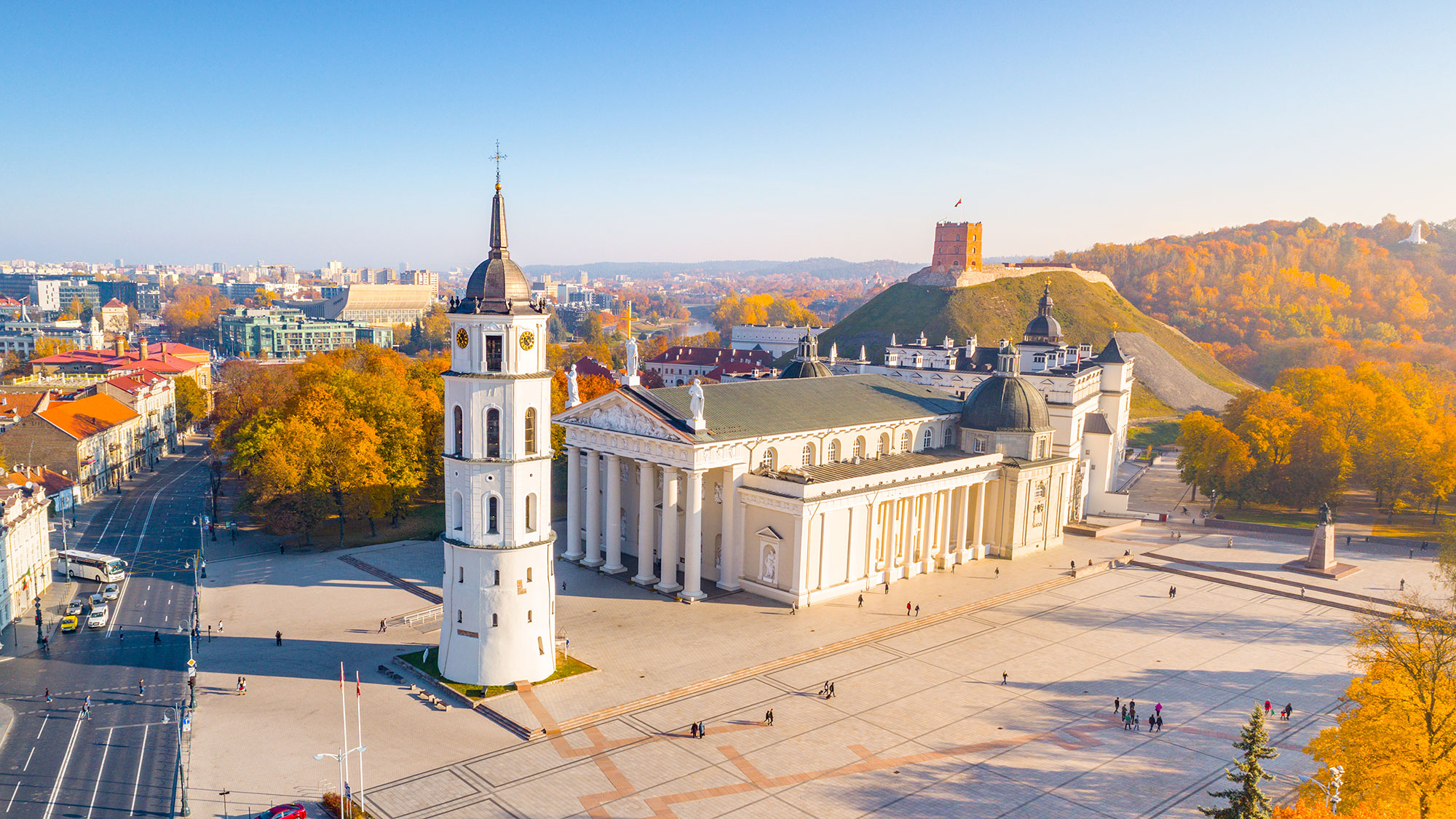
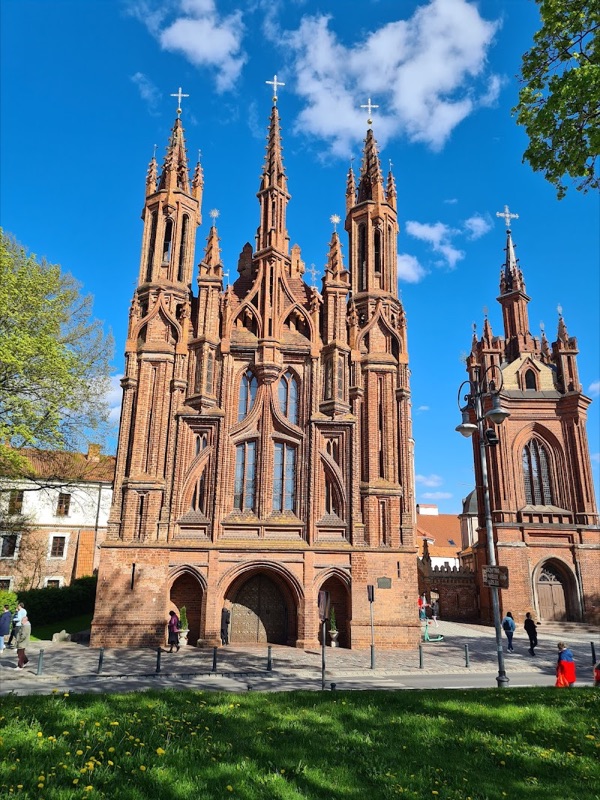
Your journey might begin in the vast, open expanse of Cathedral Square, dominated by the brilliant white, Neoclassical Vilnius Cathedral and its freestanding Belfry. From there, wander down Pilies Street, the main artery of the Old Town. While bustling with life, its true treasures lie in the courtyards and side streets branching off it. In a few minutes’ walk, you can marvel at the intricate, flame-like brickwork of the Gothic masterpiece, St. Anne's Church—so beautiful Napoleon wished he could carry it back to Paris on the palm of his hand. Then, turn a corner and find yourself before the opulent Baroque façade of a university building or a serene Renaissance courtyard. Exploring all these architectural marvels requires one key piece of advice: wear comfortable shoes. The charming cobblestones are relentless.
Where Cultures Collide and Stories Unfold
For centuries, Vilnius was a melting pot of nationalities and religions, earning it the moniker "The Jerusalem of the North." Lithuanian, Polish, Jewish, Ruthenian, German, and Karaite communities all left their indelible mark on the city's character. While the 20th century brought tragic changes, the spirit of this multicultural past can still be felt.
Wander through the narrow lanes of Stiklių (Glassmakers') and Žydų (Jewish) streets, the heart of the former Jewish Quarter, now home to designer boutiques and cosy cafés. Seek out Literatai (Writers') Street, where the wall is embedded with small, artistic plaques dedicated to figures of literature with ties to Vilnius, creating a unique open-air gallery. For a taste of the city's bohemian soul, cross the bridge over the Vilnia River into the self-declared Republic of Užupis. This artists' enclave, with its own quirky constitution, is an essential part of the Old Town experience, blending creativity, history, and a fiercely independent spirit.
The Living, Breathing Heart of the City
The true magic of Vilnius Old Town is that it is profoundly alive. This is no sterile, open-air museum that shuts down after dark. Its pulse changes throughout the day, offering a new experience with every passing hour. Mornings begin with the scent of fresh coffee and pastries wafting from bakeries hidden in quiet courtyards. Afternoons are for browsing amber jewellery in small boutiques, listening to a street musician’s melody, or discovering local crafts.
As evening descends, the Old Town transforms. Candlelight flickers from the windows of historic restaurants tucked away in centuries-old cellars, serving both traditional Lithuanian fare and modern European cuisine. The sound of clinking glasses spills out from craft beer pubs and chic cocktail bars. Theatres and concert halls come to life, offering a rich program of cultural events that cater to every taste. This is where you can have a coffee where poets once debated, dine in a 16th-century merchant’s house, and end the night in a modern bar, all within a few steps.
Your Journey Awaits
To truly connect with Vilnius Old Town, you must surrender to its rhythm. Put away the map for an hour and follow a street simply because it looks interesting. Look up at the ornate building façades, angel statues, and weathered rooftops. Push open the gates to quiet courtyards—many are open to the public and hide incredible gardens, frescoes, and a sense of profound peace. Come not just to see the sights, but to absorb the atmosphere. Vilnius Old Town is a story, and it reveals its best chapters to those who take the time to listen, to wander, and to feel.