A family day in Vilnius works better when it is built around energy levels, not a long checklist. Choose one main attraction, leave time for a park or an unstructured break, and keep one indoor alternative for rain. This approach gives children time to explore and gives adults room to change the plan without losing the day.
This guide helps you choose places by interest, weather, mobility needs, sensory preferences and budget. Museum hours, exhibitions, ticket types and booking rules can change, especially around public holidays. Check the attraction's official visitor information on the day you go.
Start with the needs of your family
Age alone does not predict whether a child will enjoy a museum. One five-year-old may spend an hour examining coins; another may be ready for a playground after twenty minutes. Four questions make the choice easier:
- Does your child want to touch, test and play? Look first at the Toy Museum or the Energy and Technology Museum.
- Are castles and stories the main interest? Choose Gediminas Castle Tower or one route through the Palace of the Grand Dukes rather than treating both as compulsory.
- Do you need a pushchair, lift or step-free route? Check the exact access information for each building. The Palace of the Grand Dukes, Energy and Technology Museum and Money Museum publish accessibility facilities, while the footpath up Gediminas Hill is not suitable for pushchairs or wheelchairs.
- Do you want to keep part of the day free? Pair the Money Museum or Rail Park with Bernardine Garden or Vingis Park.
An Old Town plan: one castle and a park
Gediminas Castle Tower
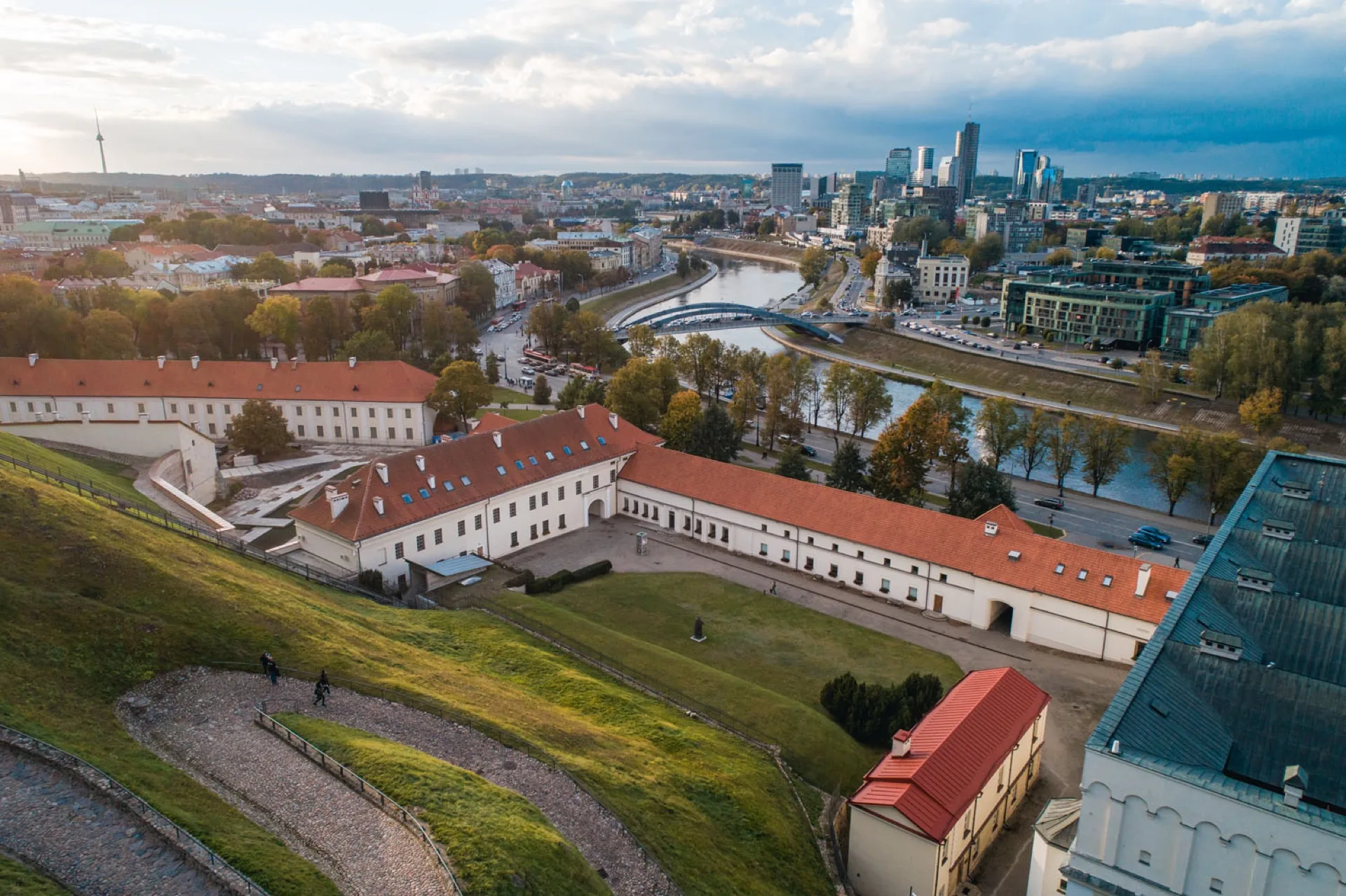
Gediminas Castle Tower suits families looking for a city view and a compact introduction to Lithuanian history. The historic path begins on the Vilnia River side of the hill. It is steep in places and the National Museum of Lithuania states that it is not suitable for bicycles, wheelchairs or pushchairs.
A paid funicular normally runs from the Old Arsenal courtyard. Children under 12 require parental supervision when using it. The panoramic plaza can be reached by visitors with reduced mobility when the lift is operating, but the exhibition inside the tower is not accessible to visitors with reduced mobility. Check the museum's same-day notice before relying on the funicular, and distinguish access to the hilltop from access inside the tower.
Palace of the Grand Dukes of Lithuania
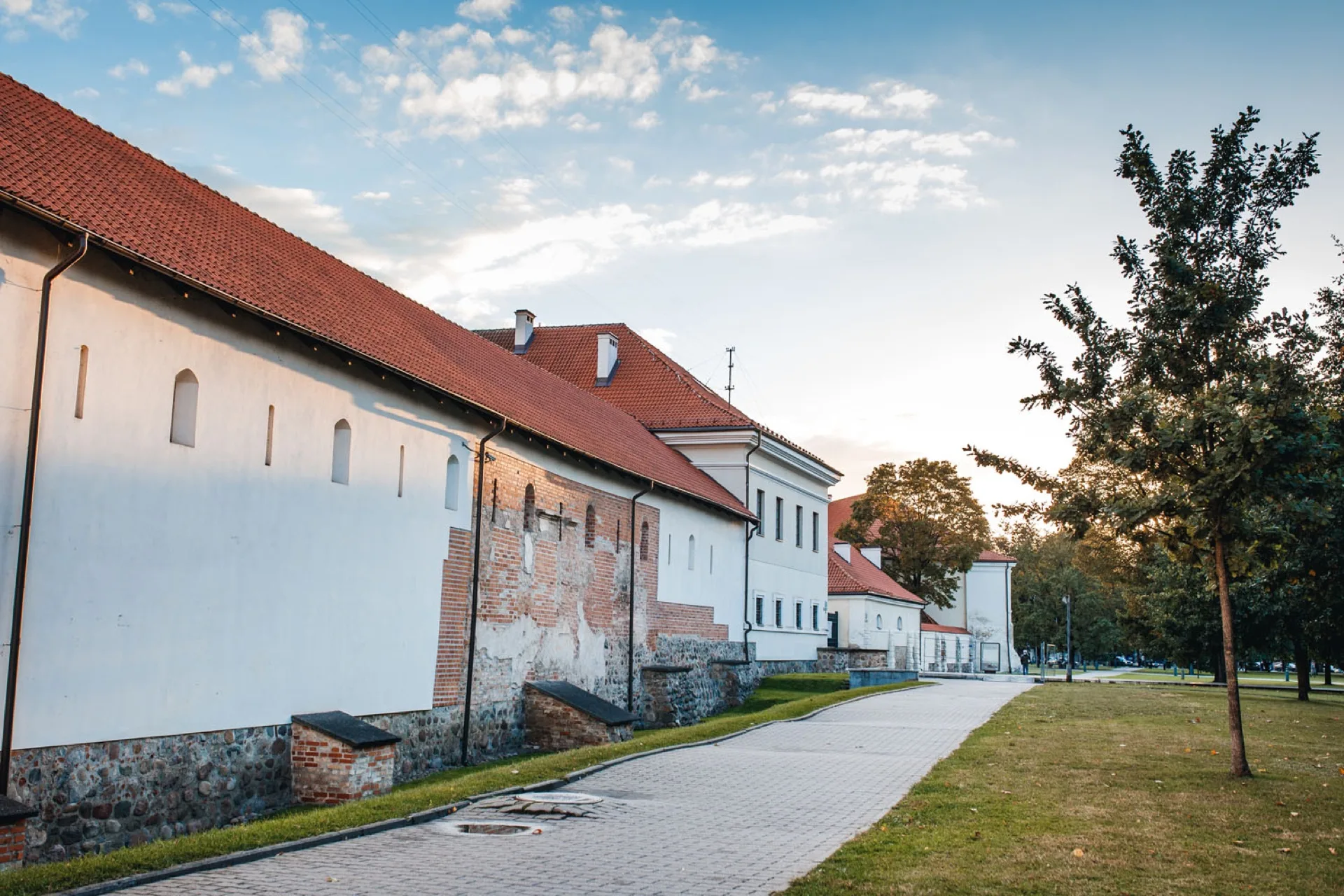
At the Palace of the Grand Dukes of Lithuania, families can choose separate visitor routes instead of trying to cover the whole museum. A child interested in archaeology and how the building changed over time may prefer the historical route. Other routes focus on restored interiors, everyday life, weapons, music and temporary exhibitions. Check what is open before choosing a route because exhibition access can change.
The museum publishes detailed accessibility information. Its facilities include lifts, accessible toilets and seating along each route, and a wheelchair can be requested at the ticket office. It also offers educational activities, some of which require advance registration. Opening days differ between the summer and September-to-May schedules, so a blanket rule that the museum is always closed on Monday is incorrect.
Bernardine Garden
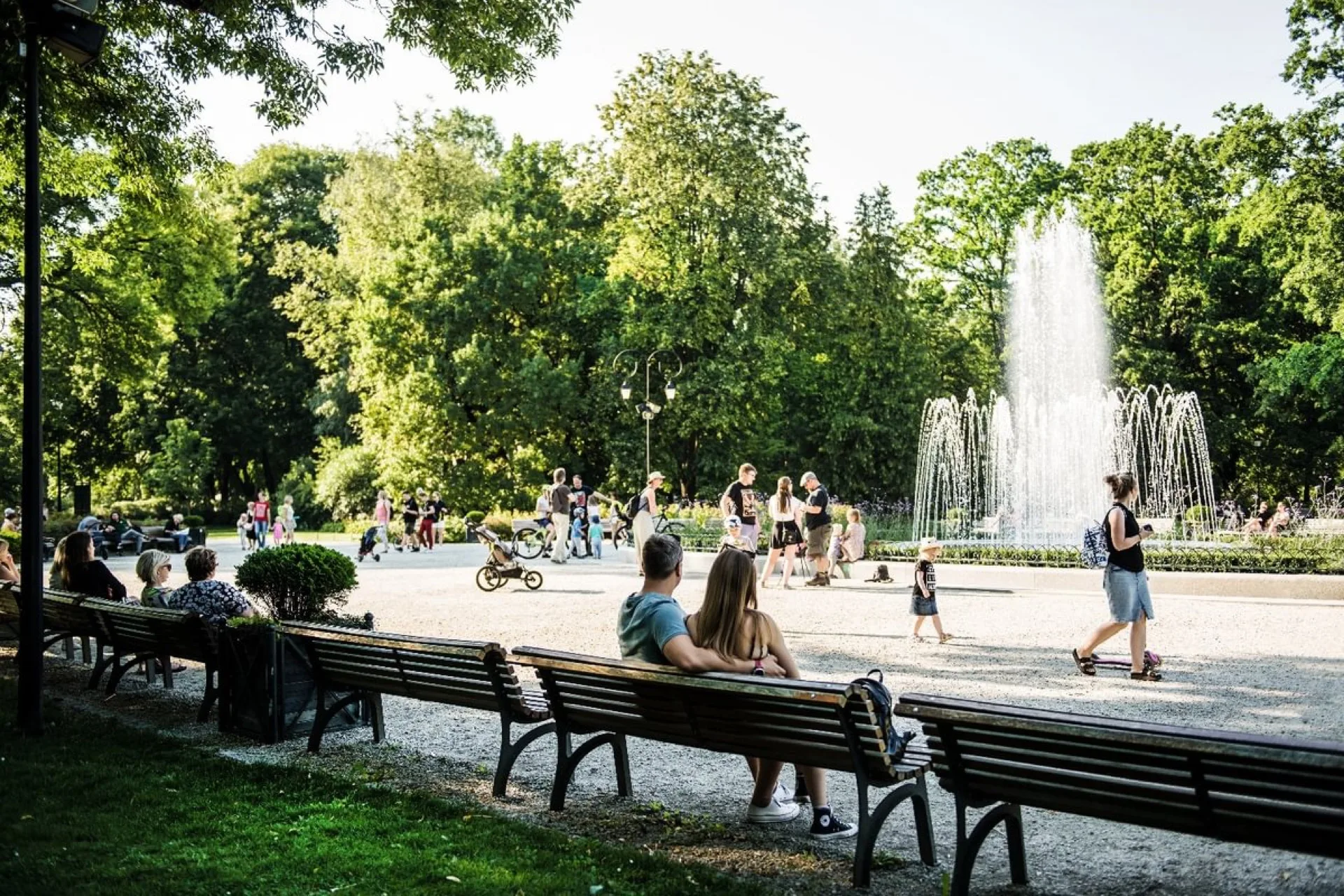
After one historic attraction, leave room for a break in Bernardine Garden. The city lists playgrounds, drinking-water points, a public toilet, outdoor chess, a carousel and a fountain among the garden's facilities. Individual services and the musical fountain programme may be seasonal, so they should be treated as possible extras rather than promised parts of every visit.
The garden sits beside the Vilnelė River. Younger children still need close adult supervision near the water. It works best as flexible time between a museum and a meal, not as another attraction that the family has to complete.
When children want to do more than look
Toy Museum
At the Toy Museum, visitors can handle and play with designated objects while learning how toys and games changed over time. That does not mean every object can be touched, so follow the signs and staff instructions. The museum recommends allowing about an hour for a visit.
Hours for individual visitors vary by month, and weekday mornings during the school year may be reserved for registered groups. Visitor numbers are limited, so advance registration is recommended. Check the schedule for the month of your trip and the final admission time rather than relying on a single year-round timetable.
Energy and Technology Museum
The Energy and Technology Museum is a useful choice for children drawn to mechanisms, energy and experiments. The museum says that many exhibits are interactive and are intended to be touched. A lift was installed to improve access for visitors with disabilities and families with small children.
Decide which areas you want before buying tickets. Standard admission does not include every additional exhibition: the Transformation Hall and temporary attractions may require separate or combined tickets. The Transformation Hall is listed for visitors aged two and over. Tesla coil demonstrations can reach high noise levels, and the museum publishes specific warnings for babies and visitors using certain medical devices. If a child is sensitive to loud sound, bright effects or crowds, ask about the conditions and timing of the exact session before booking.
Money Museum
At the Money Museum of the Bank of Lithuania, children can explore the history of money through interactive displays, films and games, including scales that calculate a person's value in different precious metals. The Bank of Lithuania states that admission is free. Guided activities and educational sessions are different from an independent visit and may need advance registration.
The museum provides adjustable displays and lifts for visitors with different mobility and height needs. Its hours change seasonally, so check the Vilnius location rather than the separate Bank of Lithuania exhibition in Kaunas when planning your day.
For families interested in trains or animals
Railway Museum and Rail Park
The Railway Museum is inside Vilnius railway station, while Rail Park is an outdoor display of historic rolling stock nearby. They are two separate options: the indoor museum charges admission, while the operator states that Rail Park can be visited without a guide free of charge during its opening hours. The museum also notes that payment on site is by bank card only.
Check the schedules for the indoor museum and outdoor park separately. In Rail Park, children should stay with an adult and follow the signs. Displayed vehicles are not an invitation to climb unless staff or signs clearly allow it.
Cat Cafe
Plan the Cat Cafe only if the family is ready to follow its animal-welfare rules. Children under six are admitted under a separate procedure and require an online reservation. The cafe says that one child in this age group must be accompanied by one adult aged over 18, who is responsible for the child's behaviour.
The cats choose whether to approach visitors, so avoid promising a child that every cat can be held or stroked. Check the current reservation terms, visit duration and house rules before going.
A longer outdoor break in Vingis Park
Vingis Park gives families more space than the Old Town. The city lists playgrounds, walking and cycling paths, drinking-water points, public toilets, sports areas and bicycle rental among its facilities. Services can be seasonal, and concerts or other large events can change normal access and movement through the park.
Shared paths are not traffic-free play areas. Agree on a meeting point, supervise younger riders and remind children to stop before crossing a busy path. Check the event calendar if you want a quieter visit.
Three realistic family day plans
A short Old Town day
Choose either Gediminas Castle Tower or one route through the Palace of the Grand Dukes. Follow it with lunch and unstructured time in Bernardine Garden. Add the Toy Museum only if the family still has energy and you have checked its visitor schedule.
A rainy-day plan
Make the Energy and Technology Museum the main attraction. Choose one shorter second stop according to the child's interests: the Money Museum for interactive economic history or the Railway Museum for trains and transport. Keep a third museum as a backup, not another compulsory stop.
A lower-cost day
Combine the free Money Museum with Bernardine Garden. Another option is Rail Park followed by a longer afternoon in Vingis Park. Free admission does not remove the need to check opening hours, registration rules or temporary closures.
Tickets, transport and the final check
There is no reliable universal price for a family day in Vilnius. The total depends on the children's ages, proof of eligibility for concessions, selected museum routes and optional exhibition areas. Gediminas Castle Tower and the Palace of the Grand Dukes publish family ticket options, while the Energy and Technology Museum separates standard admission from some additional spaces. Build a current total from the official ticket pages after choosing your route.
On Vilnius buses and trolleybuses, tapping a contactless bank card at the validator buys a full-fare 60-minute ticket. Shorter tickets and discounted fares use other methods described by JUDU, and passengers may need documents proving eligibility for a discount. The site's public transport guide explains the main options, but check JUDU for current rules and journey planning.
Before leaving your accommodation, run through this short checklist:
- open the attraction's official hours for that day;
- check whether registration is required and when final admission takes place;
- confirm stairs, lifts, pushchair access and toilet facilities for your route;
- ask about the exact room or session if a child is sensitive to sound, light or crowds;
- keep one indoor and one outdoor alternative, but do not try to visit both unless you need them.
A good family route through Vilnius is not the one with the most stops. It is the one that leaves time for a child to become interested and gives the adults permission to change course.