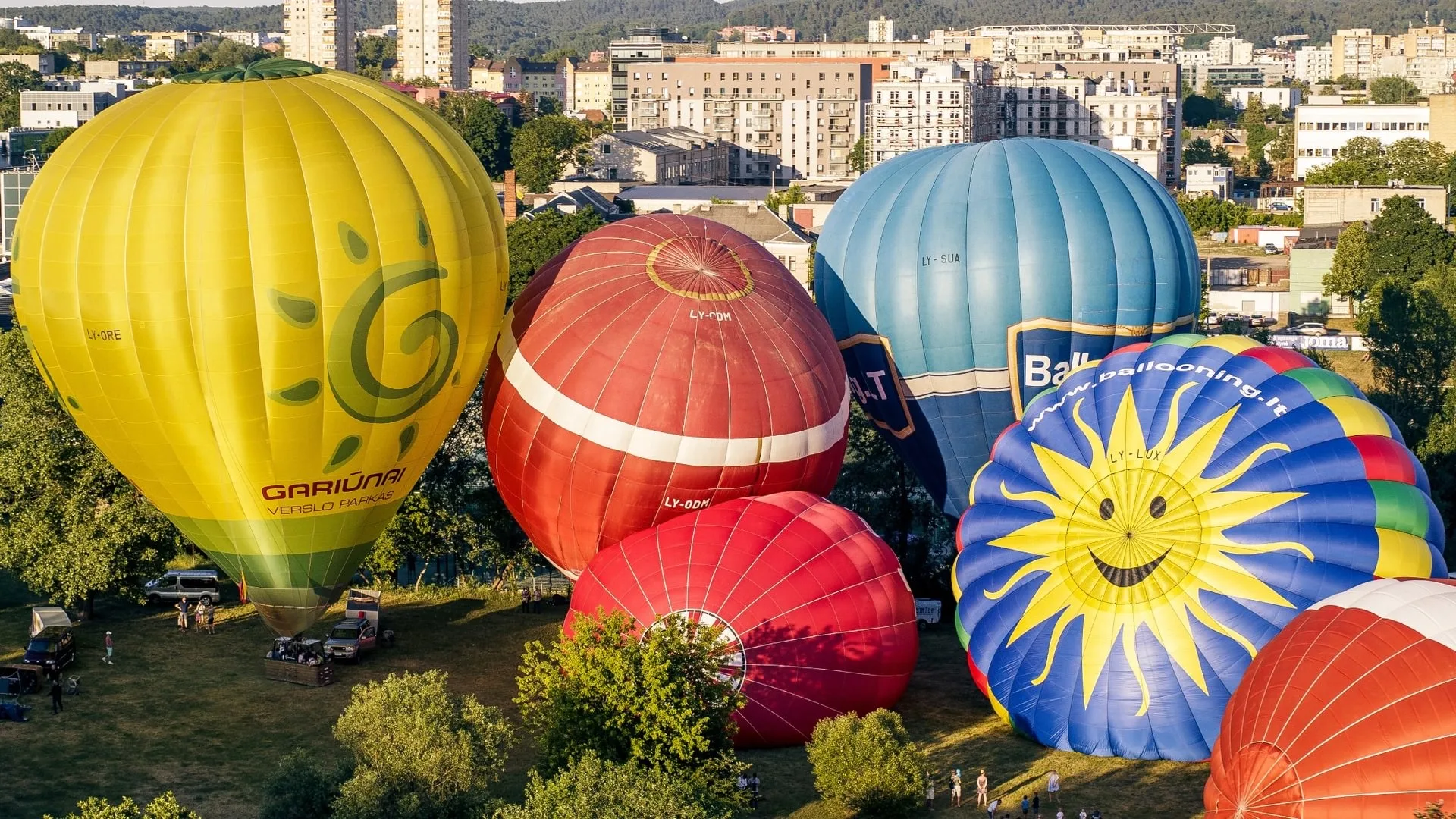
A hot-air balloon flight near Vilnius or Trakai can offer a striking view, but the route, launch point and landing area cannot be promised from a booking photograph. Balloons travel with the wind, and a flight depends on weather, airspace and the pilot-in-command's safety decision. Use this guide to compare offers and prepare questions; confirm the current operating terms with the company that will actually conduct the flight.
What a booking can and cannot promise
- It can define: the operator, meeting area, approximate total time, included transport, passenger requirements and cancellation terms.
- It cannot guarantee: a route directly over the Old Town or Trakai Castle, a particular photograph, an exact landing point or an unchanged departure time.
- It should explain: who makes the final weather decision and what happens to the booking if the flight is postponed.
Vilnius or Trakai is a planning choice, not a fixed track
Vilnius and Trakai have different landscapes, but selecting an area is not the same as buying a precise aerial route. Wind determines the direction available on the day. A launch advertised for Vilnius does not ensure that the basket will pass directly above every Old Town landmark; a Trakai booking does not guarantee a castle-overhead photograph.
If a city view matters, identify the meeting and possible launch area and ask how the operator describes likely routes without guaranteeing them. Plan the ground portion separately with our first-visit guide to Vilnius. For Trakai, allow enough independent time for transport and the castle by using the day-trip guide from Vilnius.
The legal and operational framework
Lithuania's current Aeronautical Information Publication states that hot-air balloon operations follow Commission Regulation (EU) 2018/395 and Lithuania's rules for flights in aerodrome control zones and terminal control areas. The source is the official Lithuanian AIP, ENR 1.1.
The Lithuanian Transport Safety Administration explains that flights in the control zones around Vilnius, Kaunas and Palanga use approved plans and designated launch sites. This is an airspace procedure, not a promise that every advertised city flight follows one route. Read the LTSA notice on balloon-flight rules.
Who decides whether the flight goes ahead
EASA rules make the pilot-in-command responsible for initiating, continuing or terminating a flight in the interest of safety. Before departure, the pilot studies current weather and aeronautical information and plans an alternative if the intended flight cannot be completed. The flight should begin only when the latest information supports safe take-off and operations within the balloon's limitations. These duties are set out in the EASA Easy Access Rules for Balloons.
This means a seller, marketplace or earlier forecast cannot overrule the pilot. Check the official forecast on the Lithuanian Hydrometeorological Service, but wait for the operator's final instruction. A postponement can be inconvenient, yet it is not evidence that the service was misrepresented when the written terms clearly explain weather dependency.
Ask about the full schedule
The airborne portion is only one part of the activity. Meeting, travel to a launch site, preparation, passenger briefing, flight, landing, packing and return transport can make the total commitment much longer. There is no universal four-hour programme or exactly one-hour flight that applies to every operator and day.
Before booking, ask for an approximate range for the whole activity and for the flight itself. Confirm where passengers meet, whether the launch area is decided later, who provides transport after landing and where the return journey ends. Do not place the flight immediately before a train, flight or non-refundable reservation.
Children, mobility and health
Do not rely on a generic age or height copied from another provider. Basket design, passenger briefing and company procedures differ. Ask the operating company for its actual minimum age and height, adult-supervision rules and whether a child must be able to see over the basket unaided.
Passengers normally need to stand during the flight and follow instructions during take-off and landing, which may involve a firm basket position and uneven ground. Tell the operator before payment about reduced mobility, recent surgery, pregnancy, back or joint conditions, or any concern about climbing into the basket and absorbing a landing. The operator and pilot must assess the real equipment and circumstances; this article cannot declare a passenger fit to fly.
What to wear and bring
- Wear closed, stable shoes suitable for grass or uneven ground; ask the operator about any additional clothing rule.
- Use layers appropriate to the day's forecast and avoid loose items that could be difficult to secure.
- Ask whether bags, camera equipment and mobility aids can be carried and how they must be stowed.
- Keep the operator's contact details available and arrive at the agreed meeting point at the stated time.
- Listen to the passenger briefing and follow the pilot's instructions during preparation, flight and landing.
Claims that passengers never feel cold, that take-off is always imperceptible or that every landing is gentle are not useful preparation. Conditions vary, and the briefing for the actual flight takes priority.
Compare the price by inclusions, not by headline
A price cannot be assessed without knowing whether it covers transfer from Vilnius, return after landing, insurance arrangements, a private or shared basket, the expected flight-time range and rescheduling conditions. A marketplace rating also needs a date, sample size and identification of the actual operator; it is not a permanent quality certificate.
Request written confirmation of the total price and possible surcharges. Check the currency, number of passengers, meeting location and whether the seller is the operating company or an intermediary. Do not assume that a higher price buys a particular route or that a lower price excludes required safety procedures.
Cancellation and rescheduling
Read the terms before paying. They should distinguish cancellation by the operator because of weather or operational restrictions from cancellation by the customer, late arrival and a requested date change. Confirm whether the remedy is rescheduling, credit or refund, and whether any deadline or fee applies. Do not infer universal full-refund rights from the booking platform alone.
Keep the confirmation and the version of the terms accepted at purchase. If a flight is moved, ask whether the operator, meeting area, inclusions and passenger requirements remain the same.
Build a weather-proof alternative
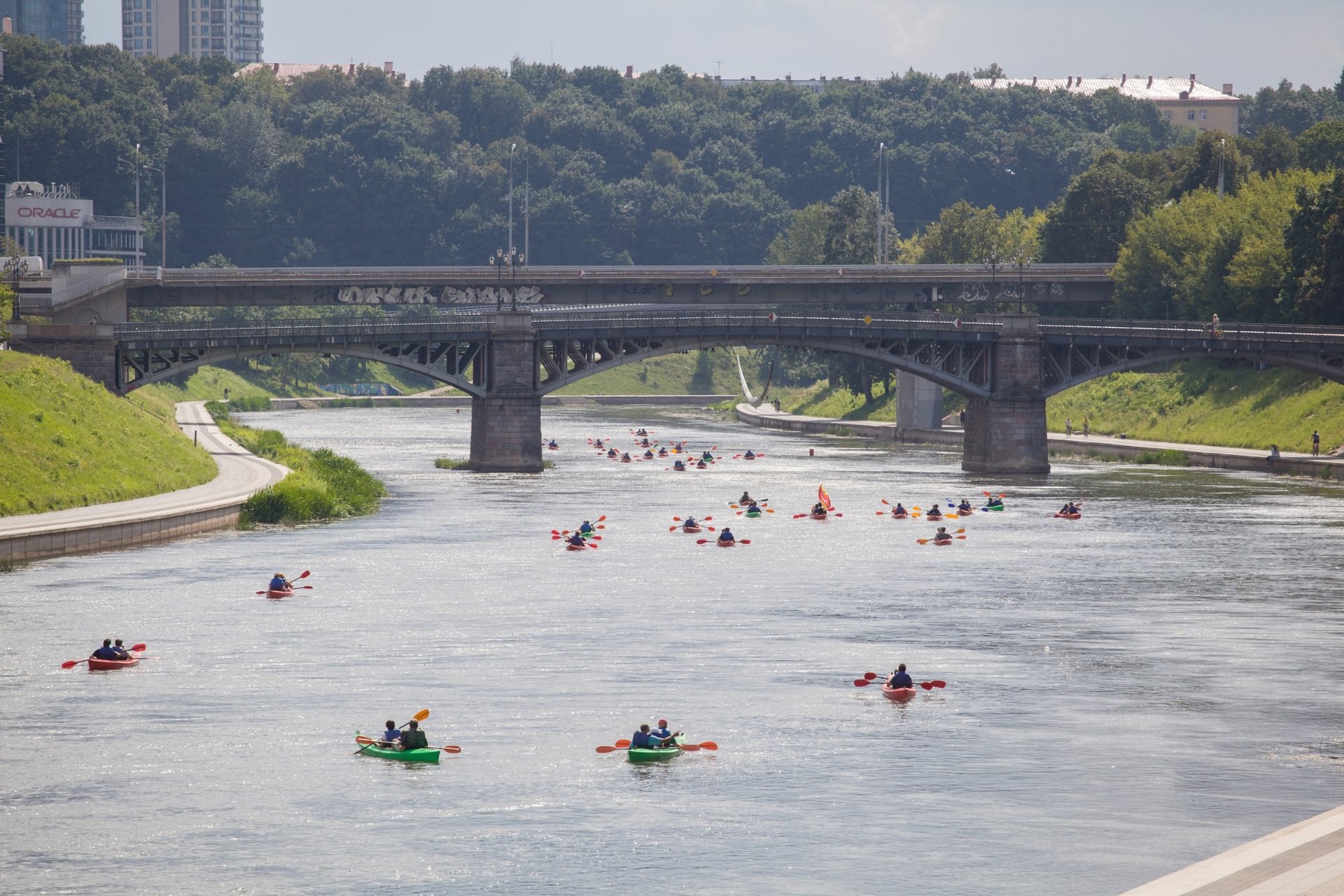
Keep a flexible alternative in the same part of the trip. In Vilnius, a viewpoint or an indoor attraction can replace the flight without pretending to reproduce it. The Vilnius and Trakai kayaking guide explains another weather-dependent option, while the rainy-day guide provides indoor ideas.
A sound booking is one whose uncertainty is explained before payment. Choose an identifiable operator, obtain the full schedule and cancellation terms, disclose passenger needs and leave time for a weather change. Treat any city, castle or sunset view as a possible outcome rather than a guaranteed route.