A useful photography plan for Vilnius starts with the picture you want to make, not with a checklist of fifteen landmarks. The city offers three very different assignments within a compact area: layered skylines from the hills, architectural details in the Old Town, and reflections or modern contrasts along the Vilnia and Neris rivers. Choose one route, leave time to observe the light, and treat access and safety as part of the shot.
Assignment one: tell the skyline story
Begin at the Subačiaus viewpoint for a broad view across the Old Town. The public viewing area gives you room to change the relationship between church towers, rooftops and the hills without stepping into traffic. A longer focal length can isolate repeating towers, while a wider frame can include the slope and foreground.
The Hill of Three Crosses reveals a different layer of the city, with the Vilnia valley and Bernardine Garden below. Rain, frost and fallen leaves can make the paths slippery. Do not trade a stable position for a few seconds of changing light, and plan the descent before it becomes dark.
Gediminas Hill works for closer relationships between Cathedral Square, the Old Town and the Neris side of Vilnius. The hilltop panorama and the museum tower are separate visitor experiences. Check the National Museum of Lithuania visitor page for current access, the funicular and mobility information. The museum also distinguishes personal photography, publication and professional equipment, so check its current rules before making or using an image. The panorama platform on the hill and the exhibition inside the tower do not have identical accessibility.
Assignment two: build a sequence of Old Town details
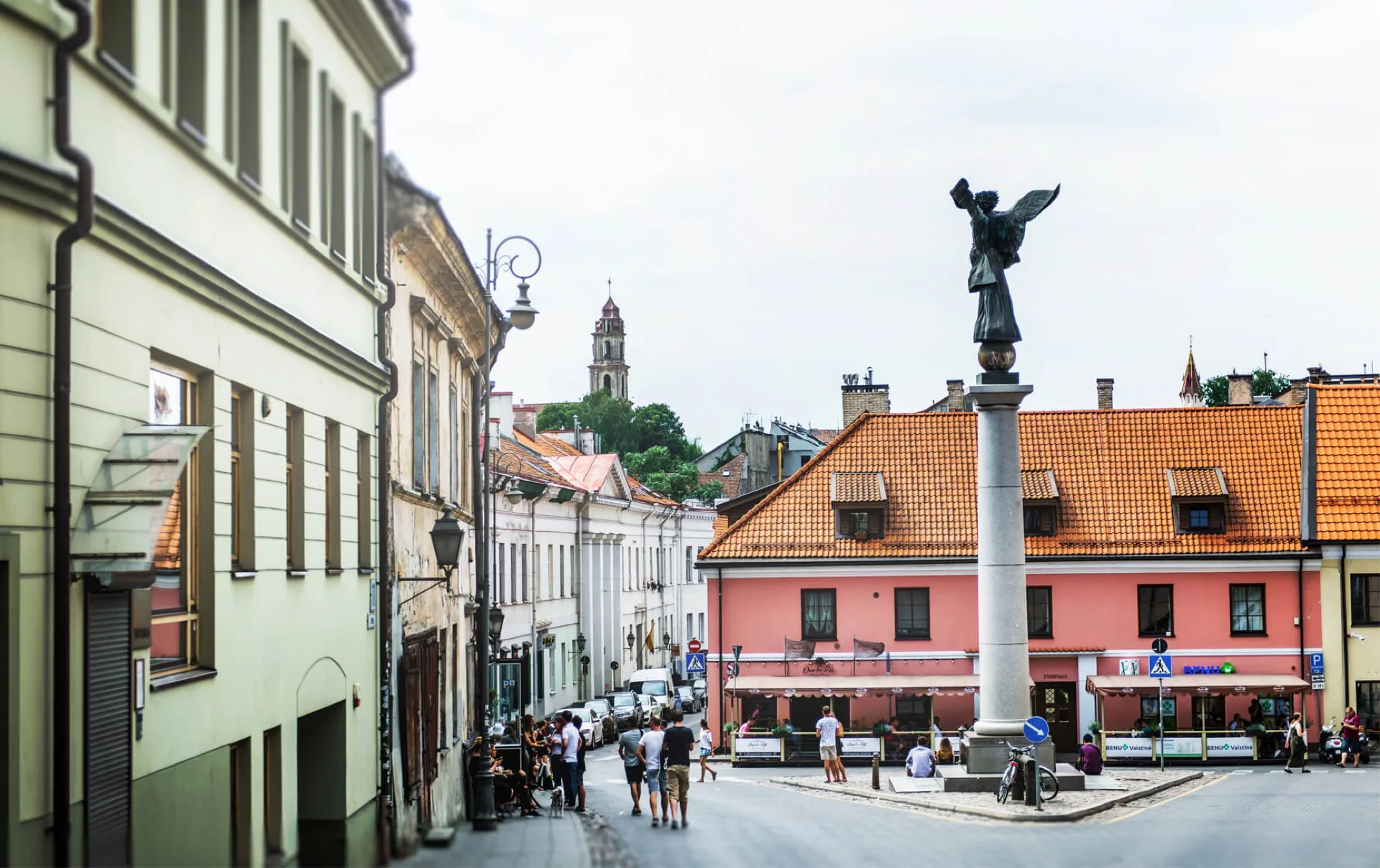
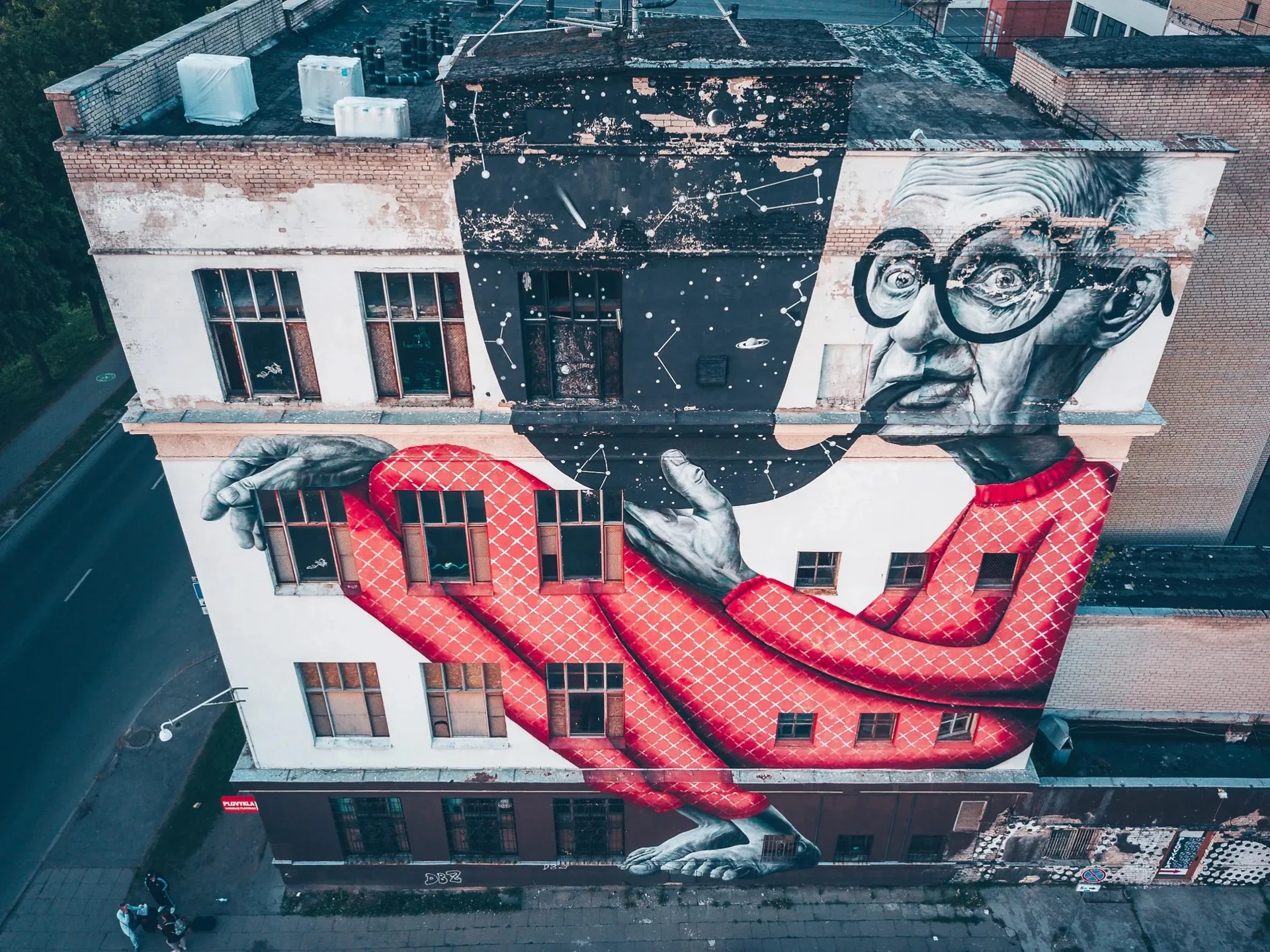
Start with the open geometry of Cathedral Square, then move into the narrower spaces of Pilies Street and Literatų Street. The change in scale gives a photo sequence a natural rhythm: columns and open sky first, then doorways, paving, signs and small artworks made from metal, wood, glass and ceramics.
The courtyards of Vilnius University offer arches, repeating windows and transitions between bright and shaded areas. This is an active university and museum complex, not a permanently open film set. Access can change because of services, events or maintenance, so consult the university museum's current visitor information before setting out.
At the Gates of Dawn, use a legal pedestrian position on the pavement and keep entrances clear. A telephoto lens can compress the gate, chapel and street without asking you to stand in the carriageway. The chapel and nearby church are living religious spaces; lower your voice, follow posted rules and avoid photographing worshippers closely without consent.
St Anne's Church is strongest as a study of brick pattern, pointed arches and the relationship with the Bernardine complex. The familiar Napoleon story should be treated as a legend, not evidence about the building. Walk around the public approaches and compare a frontal record with tighter details instead of assuming one universal “best angle”.
Assignment three: work with water and a changing city
Follow the Vilnia towards Užupis. Reflections depend on wind, water level, vegetation and season; smooth water is a possibility, not a promise. A polarising filter can reduce glare and reveal what is below the surface, but that same rotation may remove the reflection you wanted. Compare several positions before deciding which version supports the picture.
Continue towards Paupys for new façades set against older riverside buildings, or cross to the Neris for a broader contrast between the historic centre and the glass towers of Šnipiškės. Keep tripods out of cycle lanes and narrow paths. At night, choose a lit route back rather than an isolated riverbank solely for a cleaner frame.
For a much wider scale, the Vilnius TV Tower changes the city into patterns of roads, forest and neighbourhoods. Check current admission, visibility and photography rules before travelling across town. When shooting through glass, turn off the flash and shield the lens from interior reflections without pressing equipment against the window.
A field checklist that avoids generic promises
- Light: use the actual sunrise and sunset for your date. Cloud can help with façades and portraits even when it removes a dramatic skyline.
- Access: museum, tower, university and event-space conditions can change. Link to the operator rather than copying a price or timetable into an evergreen guide.
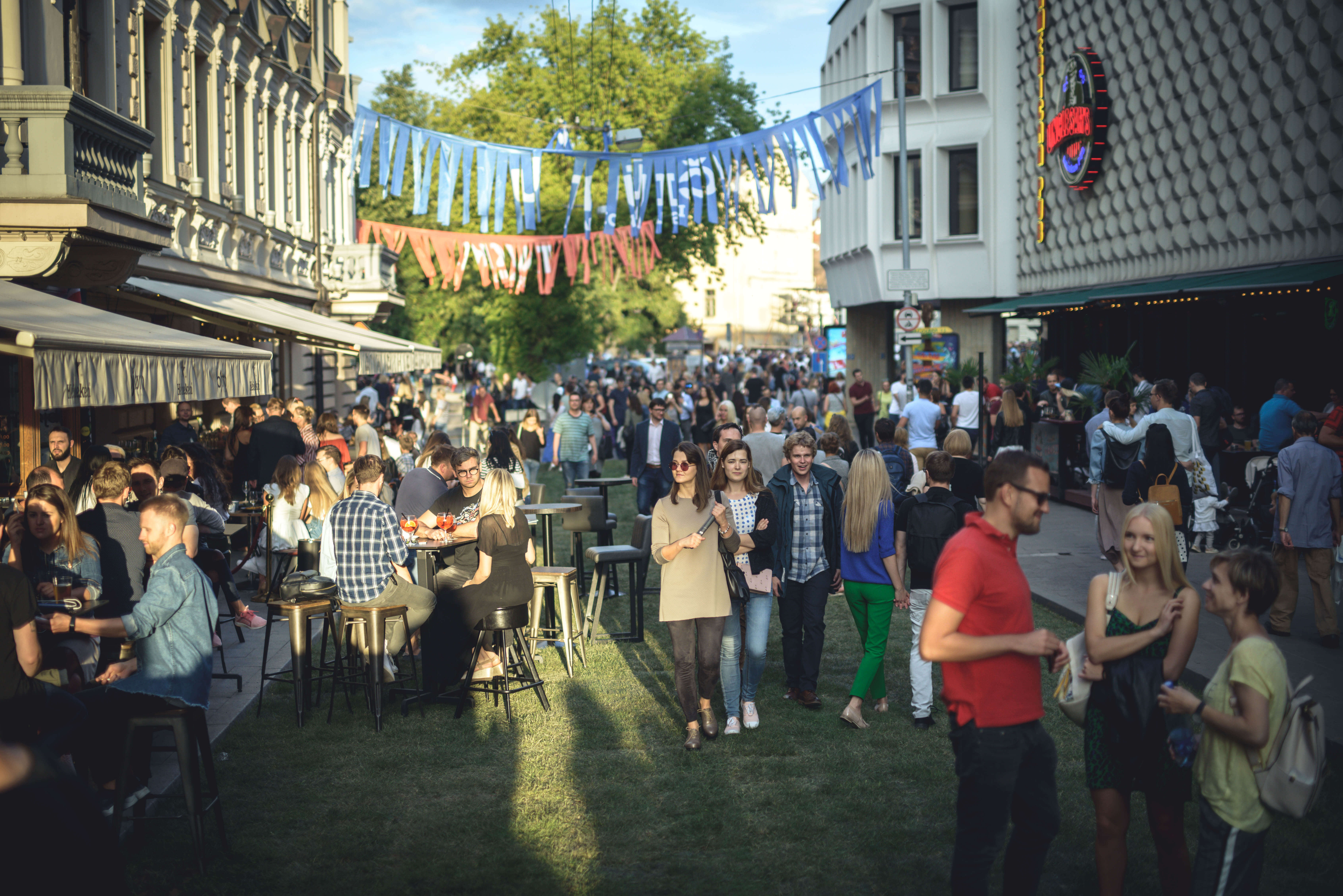
- People: a public street is not permission to intrude. Ask before making a close portrait and be especially careful around children, worship and private events. Taking a photograph in public is not blanket permission to publish or commercially use an identifiable portrait; check the purpose and context and seek specialist advice when needed.
- Safety: stay on pavements, viewing platforms and maintained paths. Do not enter traffic, unstable slopes or unverified ice for a composition.
- Drones: a park or viewpoint is not automatic flight permission. Requirements depend on the aircraft, operation category, operator registration, people nearby and the active geographical zone; a map entry alone is not final clearance. Check the EASA overview for European requirements, the official Lithuanian air-navigation guidance and the Lithuania Drone Map before every flight.
Three realistic two-hour choices
For skyline layers, pair Subačiaus with the Hill of Three Crosses. For architecture, walk from Cathedral Square through Pilies and Literatų streets to the Gates of Dawn. For water and urban change, follow the Vilnia through Užupis and Paupys. A compact route gives you time to wait, compare focal lengths and return to a composition; racing between fifteen unrelated pins usually produces more travel than photography.